 Brahmaki
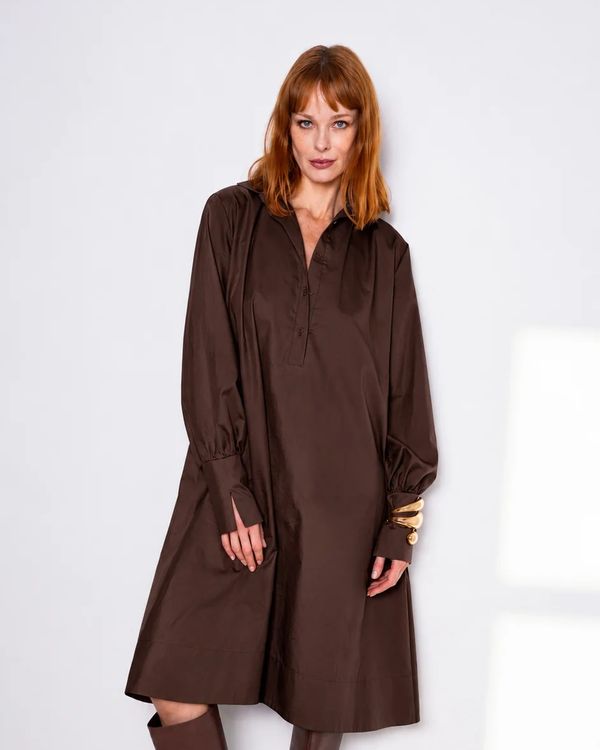 Monica Nera
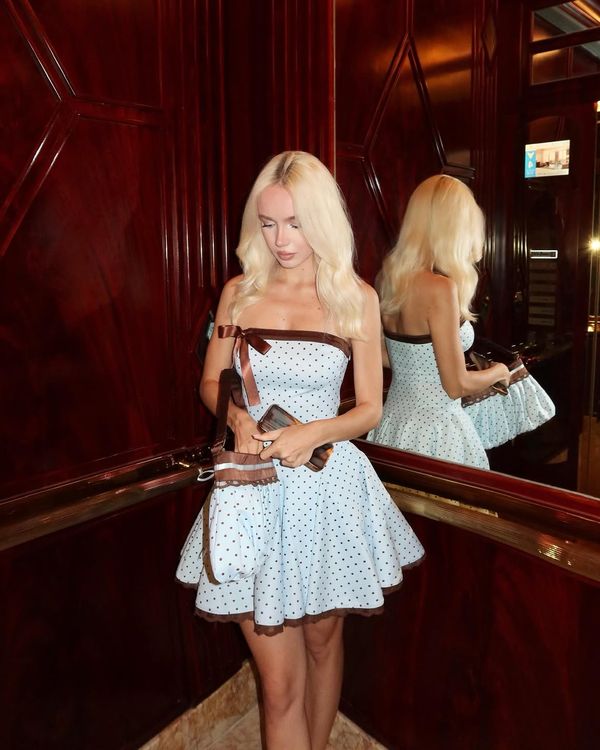 Angel Ruche
 Marame
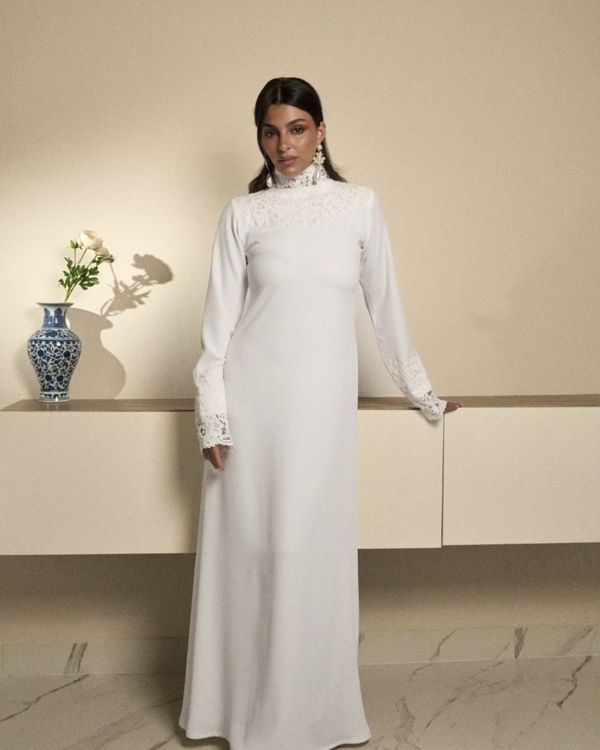 Hissa Line
 UK sustainable swimwear label
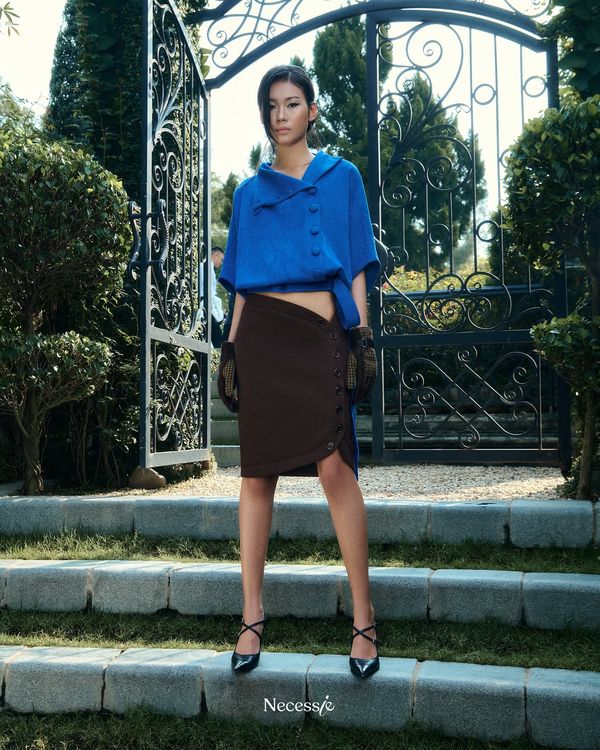 Necessie
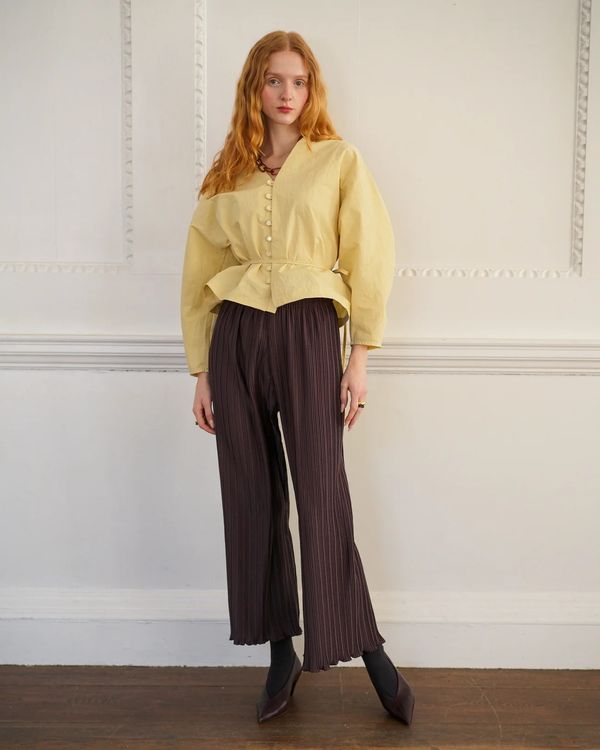 Proche Studio
 Sally Skoufis

Short answer. Fundal Media runs paid acquisition, Klaviyo and Shopify conversion for fashion brands selling in Germany. For the German market we plan for free returns as the expectation, Klarna and invoice payment at checkout, Trusted Shops or equivalent trust signals, German language creative and product pages, correct Impressum and Widerrufsbelehrung, and a slower, more considered purchase than the UK. Brahmaki's expansion into four European markets, which took the account from €120,000 to €2.8M a month, is the reference case.
The German fashion customer
She is careful. She reads the product page, she checks the returns policy, she looks for the trust seal, and she prefers to pay after delivery or with Klarna. She returns a lot, and she has a legal right to, so the store's margin has to carry it. She responds to quality, fit and material information more than to urgency, and she is suspicious of a store that feels foreign. A translated English store with a UK returns address and card only checkout converts at a fraction of a properly localised one.
What the store needs before a single ad runs
German customers check more before they buy than almost any other market we run, and the store has to pass those checks before paid traffic is worth sending. This is the list we work through in the first weeks of a German launch.
- Payment. Klarna and invoice payment. Card only is a conversion ceiling in Germany.
- Returns. Free, with a German returns address, stated on the product page.
- Trust. A Trusted Shops seal or equivalent, reviews in German, and a physical address the customer can find.
- Language. German product pages written in German, not run through a translator. Fit and material information in the German sizing convention.
- Legal. Impressum, Datenschutz, Widerrufsbelehrung, and the checkout button worded correctly. Getting these wrong invites a warning letter.
What changes in the ad account
German creative for the German campaign, with hooks about quality, fit and making rather than urgency. Free returns and Klarna in the copy. A dedicated German prospecting campaign with its own budget, so the home market does not absorb the spend and the German results can be read cleanly. Six to eight weeks at a modest budget before scaling, because the German customer takes longer to trust a new brand and the second purchase arrives later.
Reference case
Brahmaki expanded into four European markets one at a time in months five to twelve, each with its own localised offer, creative and landing experience, while the account went from €120,000 to €2.8M a month. The process that came out of it is in launching a fashion brand in a new market.
Austria and Switzerland
The DACH region is often launched together, and it should not be. Austria can share the German store with its own shipping terms. Switzerland is a different country with a different currency, duties and expectations, and has its own page.
Questions on this
What do fashion brands need to sell in Germany?
Free returns with a German returns address, Klarna and invoice payment, a trust seal, German language product pages and creative, and the legal basics: Impressum, Datenschutz, Widerrufsbelehrung and correctly worded checkout.
Is Germany a good market for a fashion brand to expand into?
It is the largest fashion e-commerce market in Europe, so the scale is there. It is also the market that punishes a translated store fastest, so it has to be localised properly.
How long does it take to prove Germany?
Six to eight weeks at a modest budget after the store is localised. The German customer takes longer to trust a new brand and the repeat purchase arrives later than in the UK.