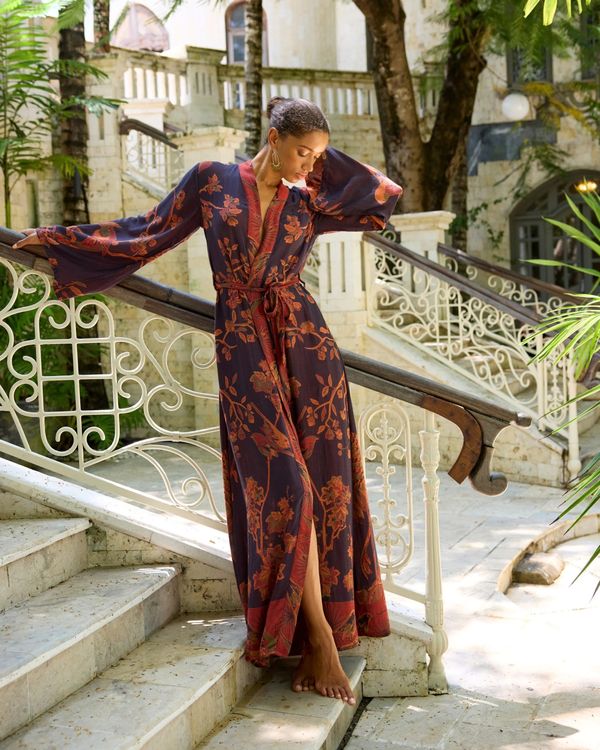
 Brahmaki
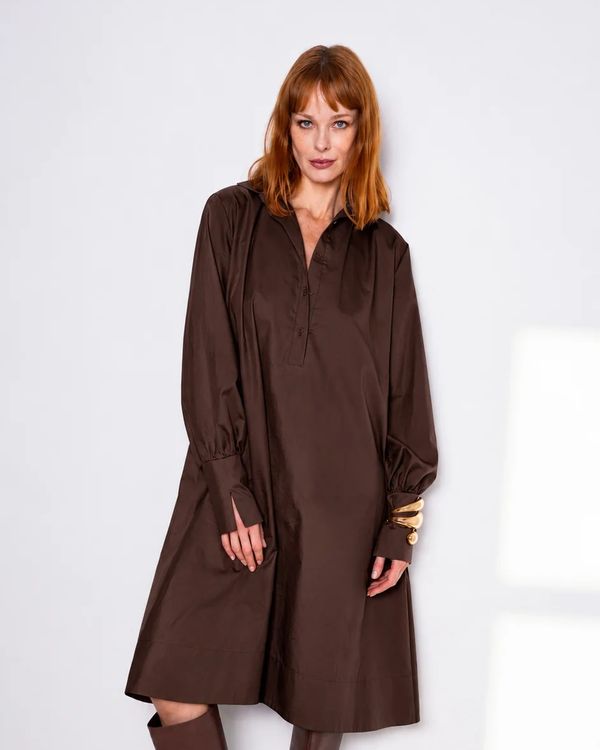 Monica Nera
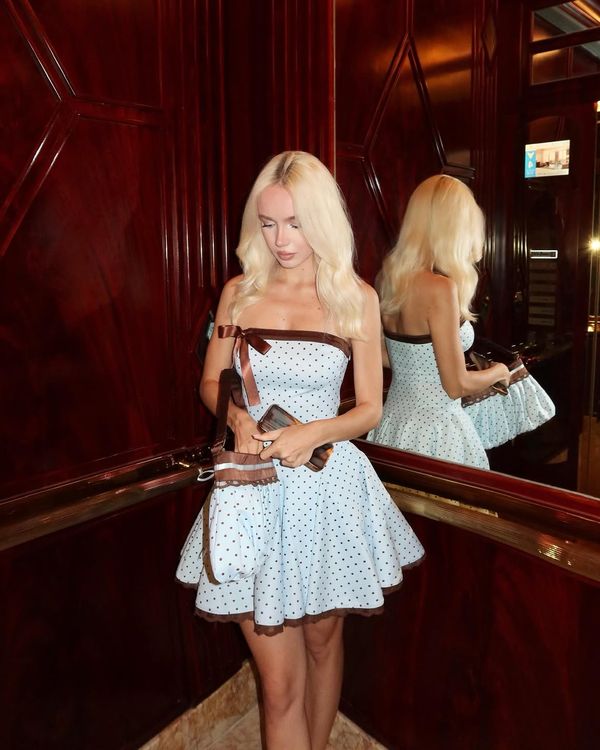 Angel Ruche
 Marame
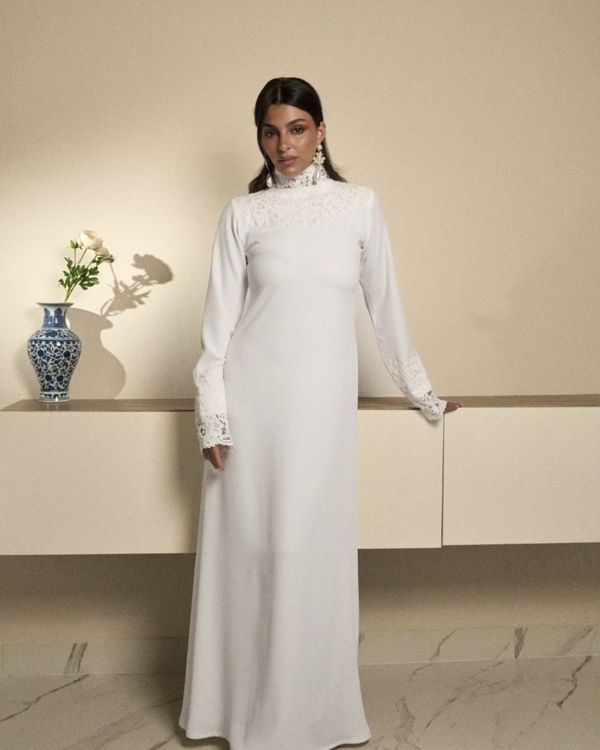 Hissa Line
 UK sustainable swimwear label
 Necessie
 Proche Studio
 Sally Skoufis

Short answer. A UK sustainable swimwear label, under NDA, launched with Fundal Media and did £38,000 in revenue in its third week on roughly £1,100 of Meta ad spend, a 30x blended return. The men's swim campaign returned 6.3x on its own. The result came from building the waiting list, the Klaviyo flows, the creative and the store before launch, so paid spend was lighting a fire that was already laid.
Why a launch can return 30x, and why it will not stay there
First, the honest framing. A 30x blended return in week three of a launch is not a number an account holds. It is a number a launch produces when the demand has been built before the ads start and paid spend is the match rather than the fuel. The 6.3x on the men's swim campaign is the more useful figure for understanding what the paid side did on its own, and it is a very strong number for a brand three weeks old.
The reason we publish it is that it shows what a fashion launch looks like when it is done in the right order. Most launches spend their first months paying Meta to build an audience from nothing. This one did not have to.
What was built before launch
The brand came to us with a product, a sustainability story that was real rather than decorative, a one size fit that genuinely fits different bodies, and a launch date. We spent the weeks before launch on four things. A waiting list, built with a small amount of paid spend and the founders' own network, with a Klaviyo welcome flow that told the brand's story properly rather than offering a discount. The creative library: campaign imagery and video that established the brand's world, and a set of ad concepts for both the women's and the men's swim lines ready to go live on day one. The store, built for conversion from the start with the one size fit explained properly, the recycled fabric and the sustainability credentials leading the product page. And the Meta account itself, structured and warmed with a small amount of spend so the launch day campaigns were not starting cold.
Launch week and the two weeks after
Launch was an email to the list first, then paid. Week one was strong because the list converted. Week two was where the paid account found its feet: the men's swim campaign in particular found its audience quickly, and the creative built around the one size fit and the making story outperformed the product led concepts by a clear margin. By week three the combination of list, returning week one customers, organic word of mouth and a paid account that was now working produced £38,000 in the week on around £1,100 of spend.
The men's swim campaign at 6.3x is worth a note. Menswear is often treated as the harder side of a fashion account. On this launch it was the stronger one, because the creative gave men a reason to care about fit and where the pieces were made, which is not a message they hear often in swimwear.
What happened after week three
Under the NDA we do not publish the account's later figures. What we can say is that the blended return came down to a sustainable level as paid became a larger share of the revenue, which is what should happen, and that the account settled into the normal rhythm of a fashion account we run: weekly creative testing, Klaviyo carrying the repeat purchase, and the store improving month by month.
The ad that won
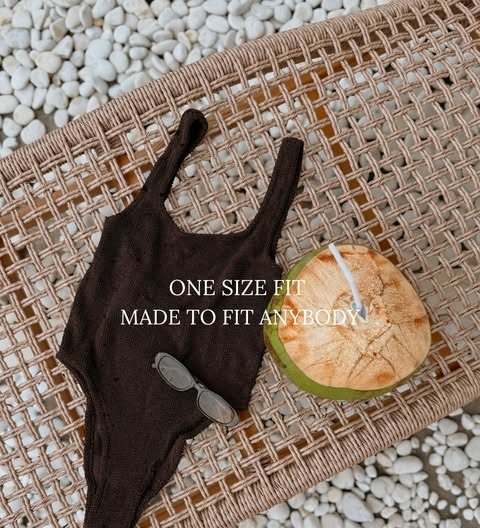
One of the winning creatives from the account, as it ran on Meta. Brand first, the product named in the frame, no discount in sight. The same concepts, converted to video, performed just as well, which is how most of them ran once the account was scaling.
What this case is useful for
If you are launching a swimwear or resort brand and you have a few weeks before the date, this is your case. The lesson is that a launch is won in the weeks before it, and that a small waiting list with a proper welcome flow is worth more than the first month of ad spend.
Questions on this
Is a 30x return realistic for a fashion brand?
Not as an ongoing figure. It is a launch number, produced by demand built before the ads went on. The men's swim campaign at 6.3x is the better guide to what the paid side did on its own, and the account settled to a sustainable return afterwards.
Why is the brand not named?
The client asked for an NDA. The figures are from the client's own Shopify and Meta reporting and the capture is in the ledger on the home page.
What should a fashion brand do before launch?
Build a waiting list with a proper welcome flow, prepare the creative library and a set of ad concepts, build the store for conversion from the start, and warm the Meta account with a small amount of spend so launch campaigns do not start cold.