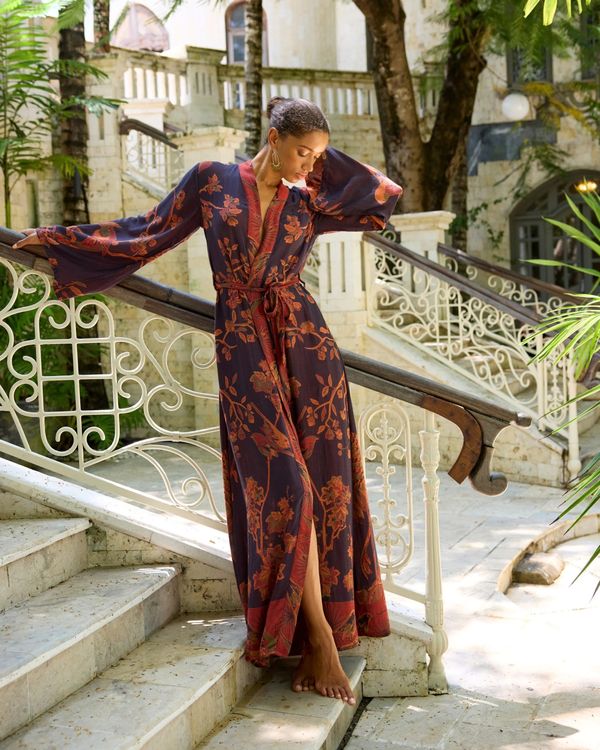
 Brahmaki
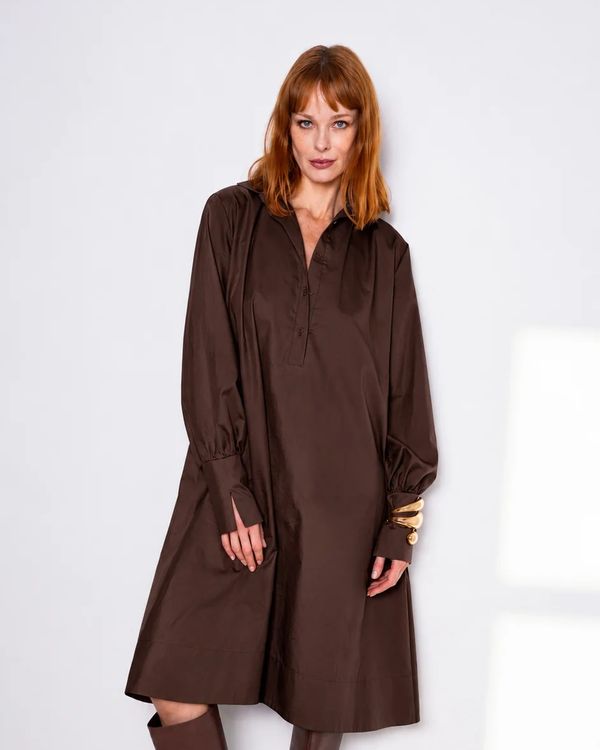 Monica Nera
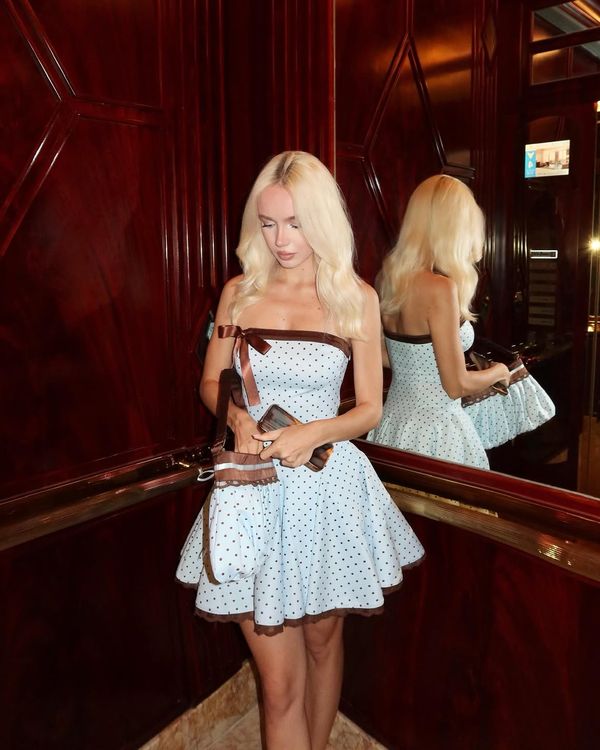 Angel Ruche
 Marame
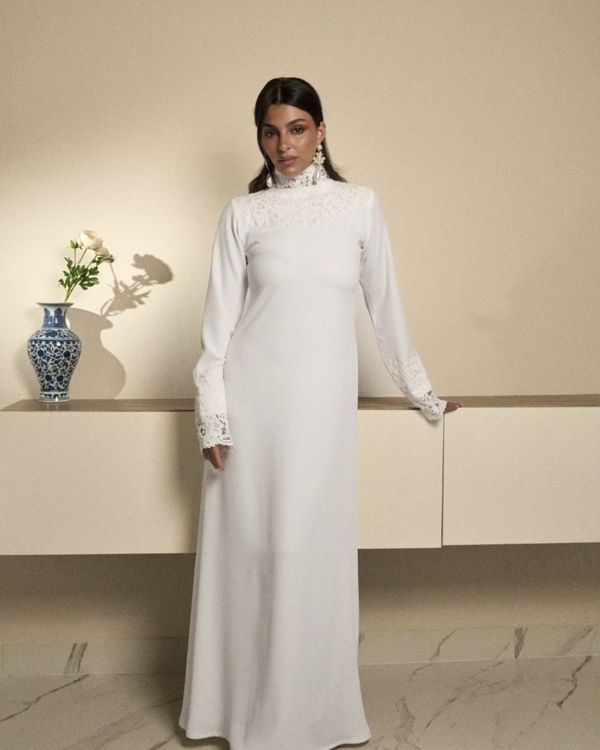 Hissa Line
 UK sustainable swimwear label
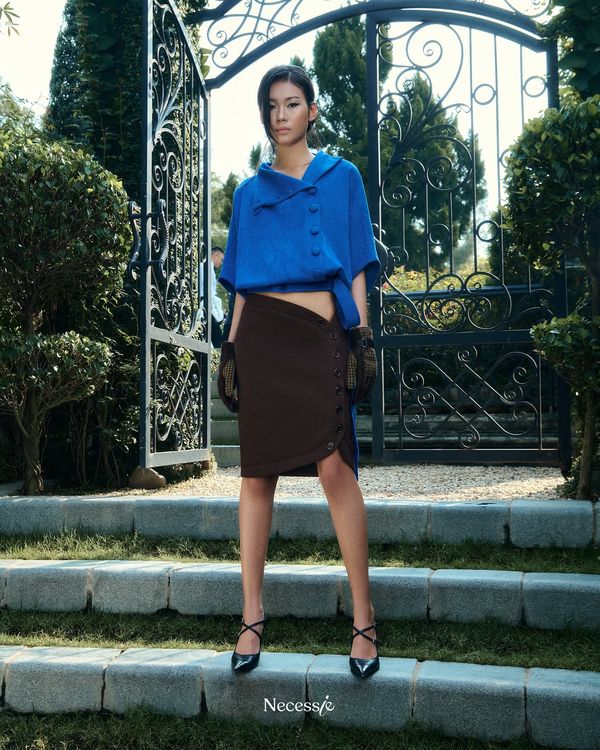 Necessie
 Proche Studio
 Sally Skoufis

Short answer. Scale a fashion brand in this order: fix the store's conversion rate first, rebuild the Meta account into a consolidated structure with a testing layer second, build a weekly creative cadence third, build the Klaviyo retention setup fourth, and only then launch new markets one at a time. Brands that run this out of order, usually by scaling spend or launching markets before the store converts, pay for the growth twice. On our accounts this sequence took Brahmaki from €120k to €2.8M a month and Angel Ruche from €34k to €210k.
Why most brands stall between €100k and €150k
At €50,000 a month a fashion brand usually has a good product, an owner who has been running the ads personally or with a freelancer, and an account that works at its current budget. The founder increases spend, the return falls, she pulls spend back, the return recovers, and the brand sits at a ceiling for a year. That ceiling is not the market. It is the combination of a store that leaks, a structure that fights the algorithm, creative that has run out, and a customer base that only buys once. Fix those four in the right order and the ceiling moves.
Stage one: the store, before anything else
We do not increase spend until the conversion rate has moved. On most accounts that is four to eight weeks of product page, speed and checkout work, and it often doubles what the existing spend produces before a single new campaign has been built. The detail is in why the product page decides your ROAS. Founders who skip this stage, because they hired an agency to grow and not to fix a website, are the ones who end up at the ceiling.
Stage two: the Meta structure
Consolidate prospecting, go broad, build a testing layer, cut retargeting back. This is a rebuild rather than a patch and it takes two to three weeks to settle. The structure is in how we structure a Meta account for fashion. Once it is in place, spend can go up in steps, usually twenty to thirty percent at a time, with a week between steps to read the effect.
Stage three: creative that can carry scale
The creative that got the brand to €50,000 will not get it to €500,000, because at scale the account is talking to people who have never heard of the brand and who need a reason to care. Product on white with a discount stops working first. What replaces it is a weekly cadence of brand first creative: founder video, campaign imagery, editorial style stills, hooks about fit and making and identity, in enough variety that the algorithm can find different customers from different concepts. Angel Ruche roughly doubled its return in the first month of new creative before the structure had been touched.
Stage four: retention, so growth gets cheaper
A brand that only wins on first purchase has an acquisition cost that rises as it scales, because the cheap customers get found first. The Klaviyo setup, six flows and a calendar that follows the collections, turns each new customer into two or three orders, and that is what lets the account pay more to acquire the customer and still be efficient. Marame at 38% returning customers is the model. The full setup is in Klaviyo for fashion brands.
Stage five: markets, one at a time
Only now. A brand at €300,000 a month in its home market with a store that converts, a structure that scales, a creative process and a retention engine has earned the right to fund a new market. Launched one at a time with a localised offer, creative and landing experience, each given six to eight weeks to prove itself. Brahmaki opened four European markets in months five to twelve this way. Brands that launch markets first, because a new country feels like growth, usually end up paying for the same lessons twice.
What it costs and how long it takes
Ad spend has to rise with revenue. A brand going from €50,000 to €500,000 a month will typically move from spending a few thousand a month to spending tens of thousands, and the return should hold or improve across that range if the sequence has been followed. On timing, most accounts hit their strongest stretch between month three and six, which is also when the founder stops worrying.
What usually goes wrong
Scaling spend before the store converts. Launching a market before the home market is efficient. Running a permanent sale to hit a number, which works for a year and costs the brand its price position. Letting the creative run out. And changing agencies every six months so that no stage ever finishes. The accounts on our home page are the ones where none of these happened.
Questions on this
How long does it take to scale a fashion brand from €50k to €500k a month?
On the accounts where the sequence has been followed, between six and eighteen months. Angel Ruche went from €34,000 to €210,000 in six. Brahmaki from €120,000 to €2.8M in twelve. The strongest stretch is usually between month three and six.
What should a fashion brand fix first, the ads or the store?
The store. The conversion rate is the ceiling on the ad account, and fixing it often doubles what existing spend produces before a single new campaign is built.
When should a fashion brand expand to new markets?
After the home market converts, scales and retains. A brand at a few hundred thousand a month with an efficient home account has earned the right to fund a new market. Launching earlier usually means paying for the same lessons twice.