 Brahmaki
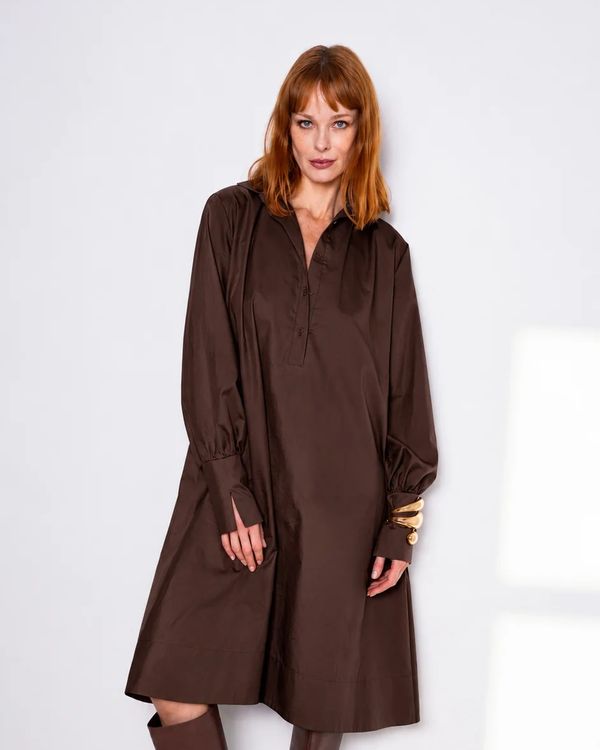 Monica Nera
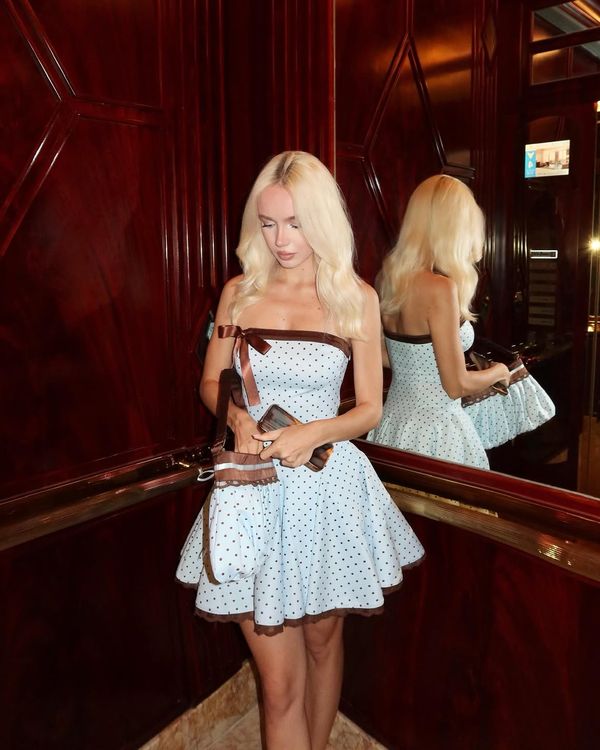 Angel Ruche
 Marame
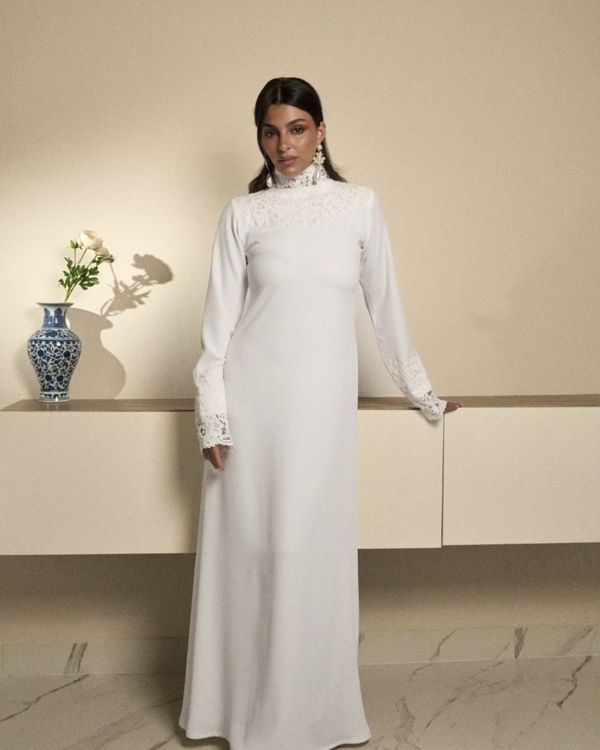 Hissa Line
 UK sustainable swimwear label
 Necessie
 Proche Studio
 Sally Skoufis
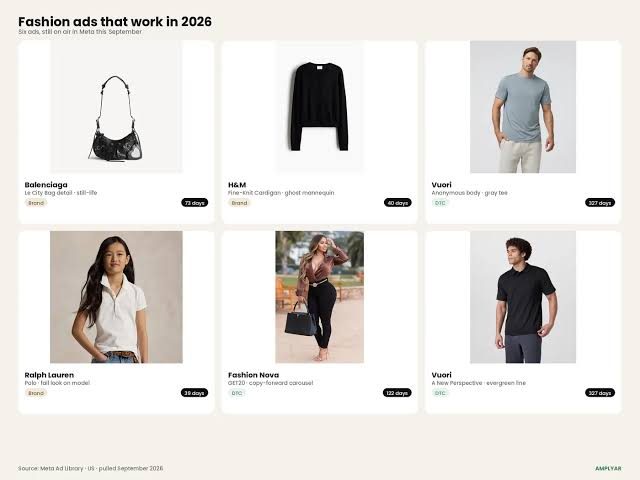
Short answer. A fashion Meta account should have a small number of consolidated prospecting campaigns on broad audiences, a separate testing campaign where new creative is read on its own, retargeting cut back to the audiences that earn their place, and catalogue campaigns for the long tail. In fashion the creative is the targeting, so the account is built to feed the algorithm new creative every week rather than to slice audiences by interest.
The account we usually inherit
The typical fashion account we audit has somewhere between eight and thirty campaigns. Interest audiences for "fashion", "luxury", "Zara", lookalikes at one, three and five percent, separate campaigns per country, per product category and per creative format, and a retargeting layer that takes a third of the spend and shows the best numbers in the dashboard. It works at a small budget, because a small budget can be spent almost anywhere. It stops working the moment spend goes up, because the structure fights the algorithm rather than feeding it.
Fashion makes this worse than most categories. The product changes every season or every week, the customer is decided by aesthetics rather than by an interest label, and the same person can be a customer for a €30 basic and a €300 dress. Slicing that into audiences is a losing game. What wins is creative.
Prospecting: fewer campaigns, broader audiences
We consolidate prospecting into one to three campaigns, depending on the size of the account and whether there are genuinely different markets or product lines that need their own budget. Audiences are broad. Country, age range where it matters, and nothing else. The algorithm is far better at finding the woman who will buy a coquette dress than an interest list is, provided it is shown creative that tells it who she is.
Budget sits at the campaign level so Meta can move it between ad sets and ads. Inside the campaign there are a small number of ad sets, usually split by creative concept rather than by audience, and each carries several ads. The winners from the testing layer graduate into these ad sets, and the ad sets that stop performing are refreshed rather than duplicated.
Testing: a separate place to read creative
Creative testing inside the prospecting campaign is the second most common mistake we see. New creative either gets no spend because the existing winners take it all, or it takes spend from the winners and hurts the account while it learns. We run a separate testing campaign with its own budget where every new concept gets a fair read against the same audience. Winners move into prospecting. Losers are cut. The cadence is weekly on most accounts and daily on the largest ones. The discipline was learned on accounts that release a new collection every week, where there is no time to let a loser run.
Retargeting: cut it back
Retargeting looks efficient because it takes credit for people who were going to buy anyway. On most accounts we inherit it is over funded by two to three times. We keep it, because there are audiences that need it, cart abandoners in the first days, engaged non purchasers, and past customers around a drop. But it is a small share of spend, the creative is different from prospecting, and it is measured on incremental lift rather than on its own ROAS.
Catalogue campaigns for the long tail
Dynamic product ads are good at one thing: showing a large catalogue to people who have signalled what they want. They are bad at telling a brand story. We use them for the long tail, for retargeting by product, and for large accounts with hundreds of live styles. We never let them carry prospecting for a premium brand, because a product grid on white is the opposite of what makes someone want to belong to a fashion brand.
Creative is the targeting
The whole structure exists to do one thing: put new creative in front of a broad audience every week and let the algorithm find the customer from the creative. That means the creative has to carry the targeting. A founder led video finds a different customer from a campaign still. A hook about fit finds a different customer from a hook about the making. The variety is the audience strategy. We wrote the creative side of this in ad creative that reads as brand first.
Market by market
When a brand sells in several markets we run separate prospecting per market or per market group, because the offer, the creative and the landing experience differ, and because a strong home market will otherwise absorb all the budget. New markets get their own campaign with a small budget until they prove themselves. The process is in launching a fashion brand in a new market.
What it looks like on the accounts we run
On Brahmaki this structure took the account from 2.1x to 7.2x over twelve months. On Monica Nera from 2.2x to 9.8x over eighteen. Neither would have happened without the store converting properly, which is why the account structure is never the first thing we fix. It is the second.
Questions on this
How many campaigns should a fashion brand run on Meta?
Usually between three and six in total: one to three consolidated prospecting campaigns on broad audiences, one testing campaign, one small retargeting campaign and, for large catalogues, one catalogue campaign. More than that usually means the structure is fighting the algorithm.
Should fashion brands use interest targeting on Meta?
Rarely. Broad audiences with strong creative outperform interest stacks on almost every fashion account we run, because the creative tells the algorithm who the customer is far more precisely than an interest label does.
How much should go to retargeting?
A small share. Most accounts we inherit over fund retargeting by two to three times because it takes credit for people who would have bought anyway. Keep the audiences that need it and measure them on incremental lift.