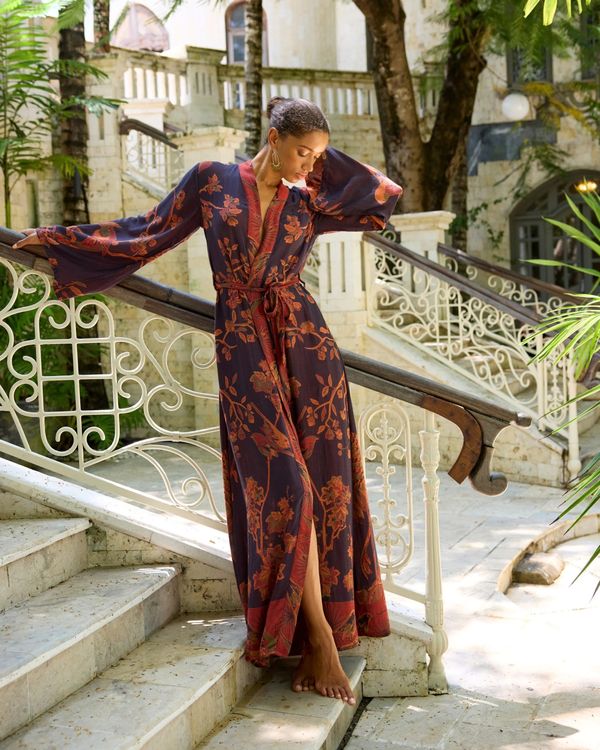
 Brahmaki
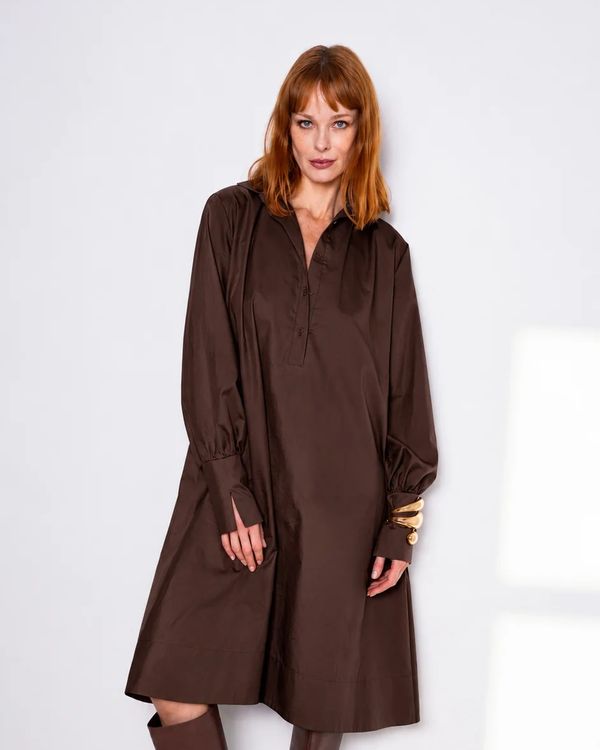 Monica Nera
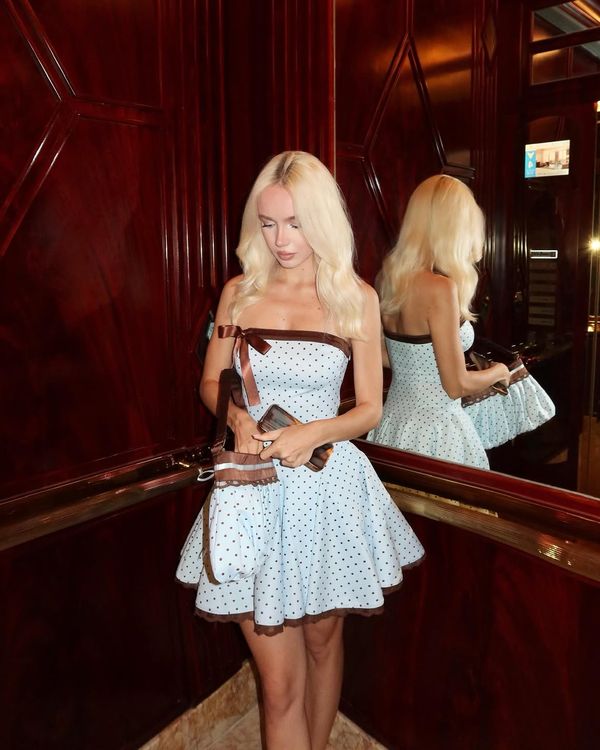 Angel Ruche
 Marame
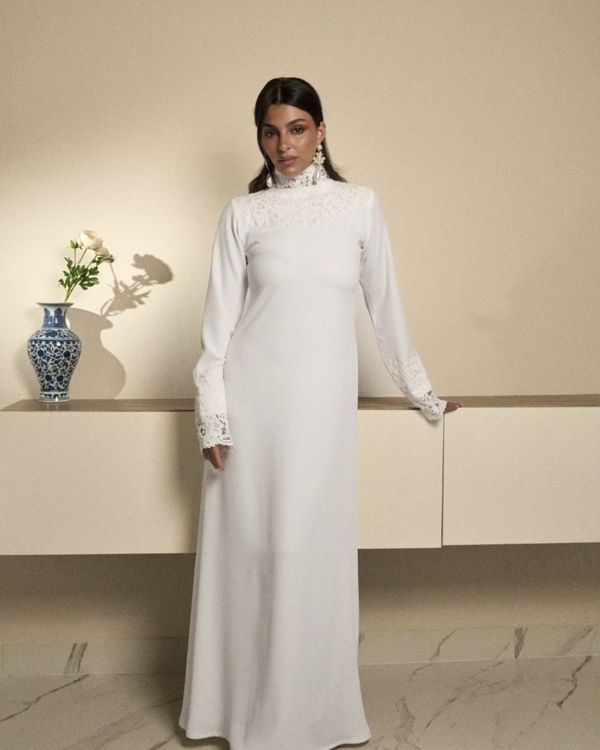 Hissa Line
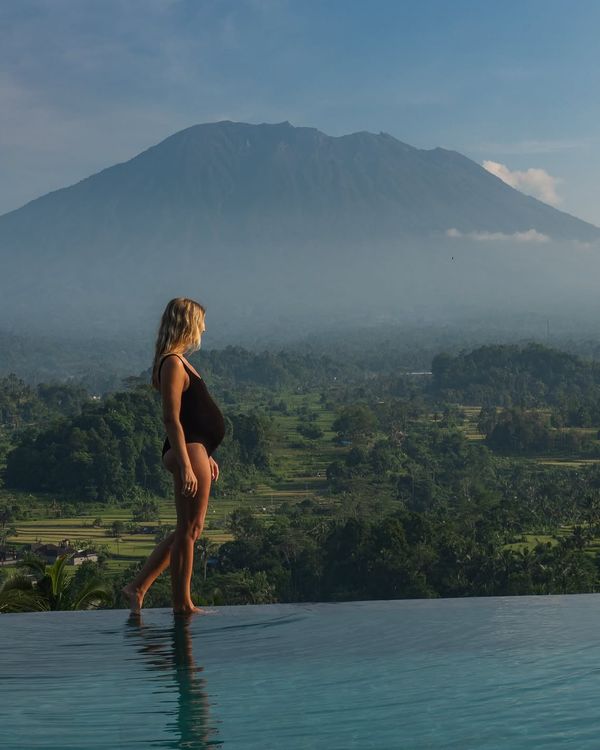 UK sustainable swimwear label
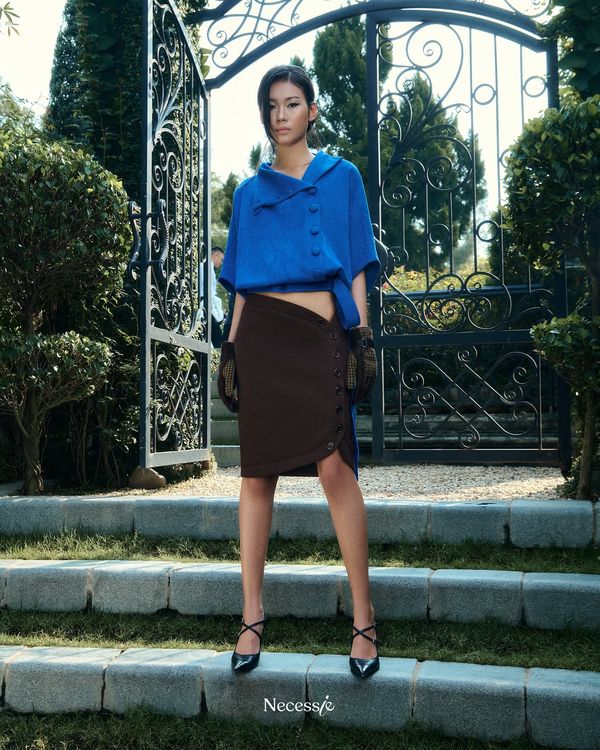 Necessie
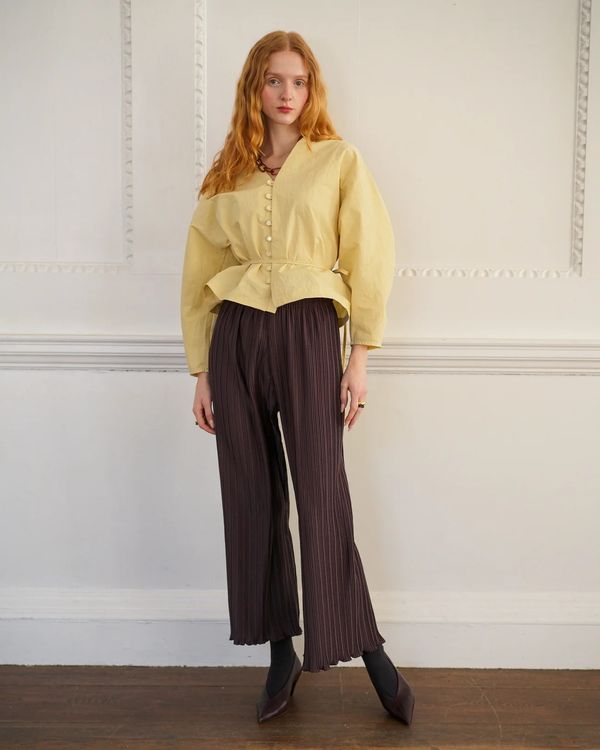 Proche Studio
 Sally Skoufis
Short answer. Brahmaki grew monthly revenue from €120,000 to €2.8M in twelve months working with Fundal Media. Meta ROAS went from 2.1x to 7.2x and the store's conversion rate from 1.8% to 4.6%. The growth came from rebuilding the Meta account structure, fixing the product page before scaling spend, building the Klaviyo flows that carry repeat purchase, and then launching one new European market at a time with localised creative and offers.
Where the account was when we took it over
Brahmaki was already a real brand when they came to us. The product was strong, the founders had a clear point of view, and the home market bought consistently. What was not working was paid. The Meta account was returning 2.1x on a monthly revenue of around €120,000, and every attempt to push spend up pushed the return down. That pattern, where the account only works at a small budget, is the single most common thing we see in fashion audits, and it almost always comes from the same three places: a campaign structure built for a different kind of product, creative that reads as an ad before it reads as the brand, and a product page that leaks the traffic the ads are paying for.
The conversion rate at handover was 1.8%. For a brand at Brahmaki's price point that is not a disaster, but it meant every euro of ad spend was working roughly twice as hard as it needed to. We do not scale accounts with a leaking store, so the first month was as much Shopify work as it was media buying.
Month one: the audit, the structure and the product page
We start every account the same way. A full read of the Meta account history, the Shopify data by product and by market, the creative library, and the Klaviyo account. Out of that came a written strategy that the founders signed off before anything changed.
The Meta account was rebuilt from scratch rather than patched. Fashion accounts need fewer campaigns and more creative than most agencies build, because the algorithm does the audience work far better than manual interest stacking does, and because in fashion the creative is the targeting. We consolidated prospecting into a small number of campaigns with broad audiences, moved the budget decisions up to campaign level, and set up a separate testing structure so new creative could be read cleanly without disturbing what was already working. Retargeting was cut back hard. Most fashion accounts over spend on retargeting because it looks efficient in the dashboard, and Brahmaki was no exception.
On the store we rebuilt the product page. Image order, the size and fit information, the way the price and the offer were presented, the reviews block and the mobile add to cart flow. None of these changes are dramatic on their own. Together they took the conversion rate from 1.8% toward 3% within the first two months, which meant the account could carry more spend at the same return before we had done anything clever with the ads at all.
Months two to four: creative that reads as brand first
Brahmaki's existing ads were product shots with a discount message. They performed at small scale because the product was good, and they collapsed at larger scale because nobody outside the existing audience had a reason to care. We rewrote the creative approach around the brand's story and the customer's reason to buy, and we built it in formats that let us test hooks quickly: founder led video, campaign imagery with copy that spoke to the woman buying rather than the product, and simple lifestyle stills that looked like the brand's feed rather than an ad.
The testing cadence was weekly. New concepts went into the testing campaign every week, winners graduated into prospecting, and losers were cut without ceremony. Over these three months the account's blended return moved from just above 2x to above 4x, and monthly revenue crossed €500,000.
Klaviyo and the repeat purchase
A fashion brand that only wins on first purchase never becomes efficient, because acquisition cost keeps rising as you scale. Brahmaki's Klaviyo account had a welcome series and a cart reminder and not much else. We built the full set: welcome, browse abandonment, cart abandonment, post purchase with a second purchase incentive timed to the product's actual wear cycle, winback, and a campaign calendar that followed the drop schedule instead of a generic weekly newsletter. Email and SMS went from a small share of revenue to a meaningful one, which is a large part of why the blended return kept rising even as ad spend went up.
Months five to twelve: four new markets, one at a time
This is the part of the Brahmaki story the founder talks about most, and the part we are proudest of. Once the home market was running at a return that could fund expansion, we launched into four new European markets in sequence. Not four at once. One at a time, each with its own localised offer, creative and landing experience, and each given six to eight weeks to prove itself before the next one started.
Localisation for us does not mean translation. It means different creative for a German customer than a French one, different offer structure where the price sensitivity is different, local currency and local shipping expectations, and a landing experience that does not feel like a foreign store. We wrote about the process in our guide to launching a fashion brand into a new market, and Brahmaki is the account most of that guide was learned on.
They helped us expand into four new European markets with localised strategies that actually worked. Best investment we have made in our growth.
The numbers at twelve months
| Metric | At handover | After 12 months |
|---|---|---|
| Monthly revenue | €120,000 | €2.8M |
| Meta ROAS | 2.1x | 7.2x |
| Conversion rate | 1.8% | 4.6% |
| Markets | Home market | Home plus four |
Revenue growth over the twelve months was 2,233%. The ROAS figure is the one people quote, but the conversion rate is the one that made it possible. An account returning 7.2x on a store converting at 1.8% does not exist. The two numbers move together, which is why we will not run Meta for a brand that will not let us touch the store.
The ad that won
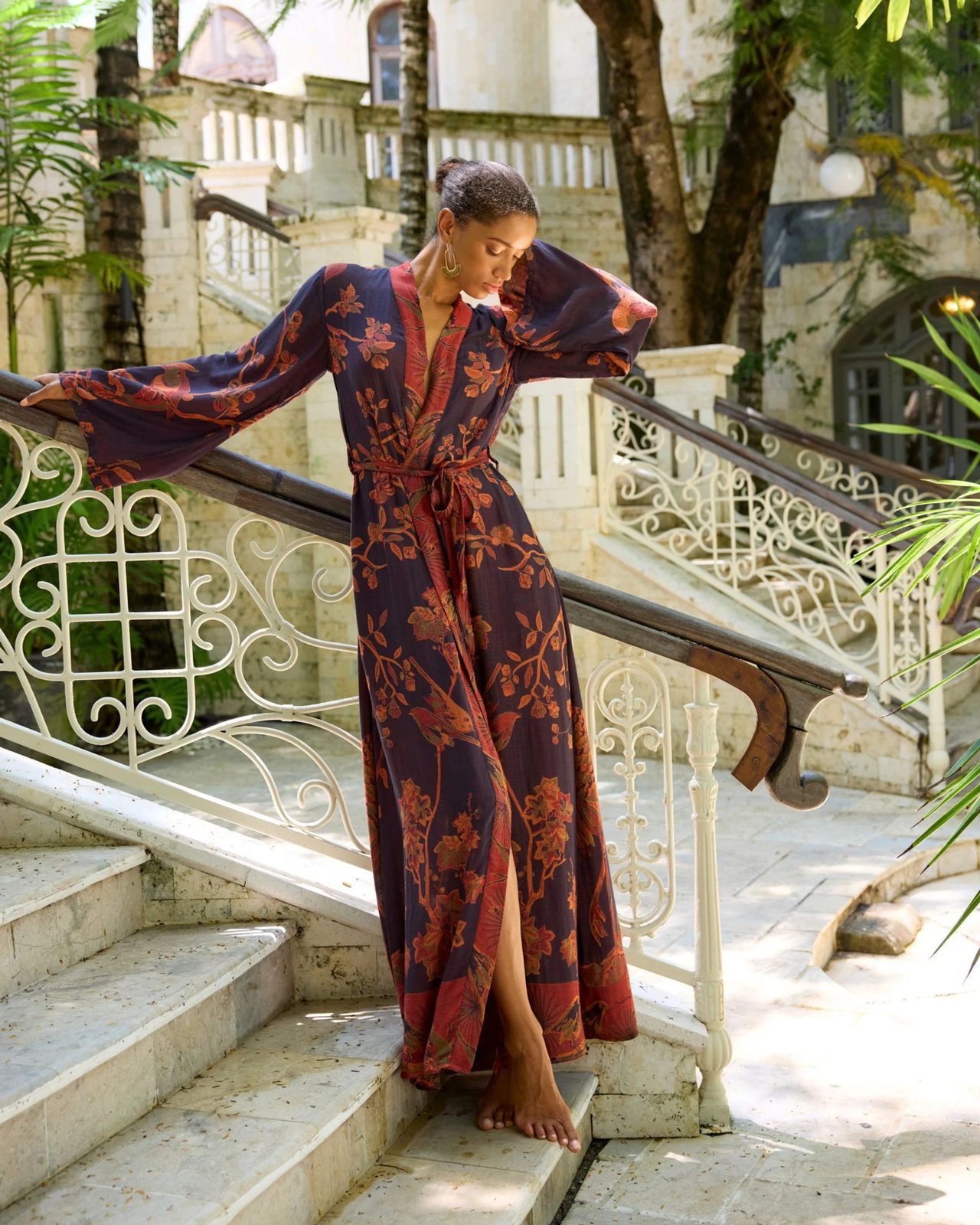
One of the winning creatives from the account, as it ran on Meta. Brand first, the product named in the frame, no discount in sight. The same concepts, converted to video, performed just as well, which is how most of them ran once the account was scaling.

What this case is useful for
If you are a fashion brand with a strong home market and an account that only works at a small budget, this is the closest case to your situation. The sequence matters: store first, structure second, creative third, retention fourth, expansion last. Brands that try to do expansion first almost always end up paying for it twice.
Questions on this
How long did it take Brahmaki to see results?
The conversion rate work showed in the first two months, and the account's return moved above 4x by month four. The headline figure of €2.8M a month is the twelve month mark. Most of our accounts hit their strongest stretch between month three and six.
Which markets did Brahmaki expand into?
Four new European markets, launched one at a time over months five to twelve, each with a localised offer, creative and landing experience. We do not name the individual markets publicly at the client's request, but the approach is the same one described on our market pages for Germany, France and the Netherlands.
Did Brahmaki run only Meta ads?
Meta was the core acquisition channel. Klaviyo email and SMS carried the repeat purchase, and the Shopify product page work is what let the account scale. All three were run by Fundal Media.