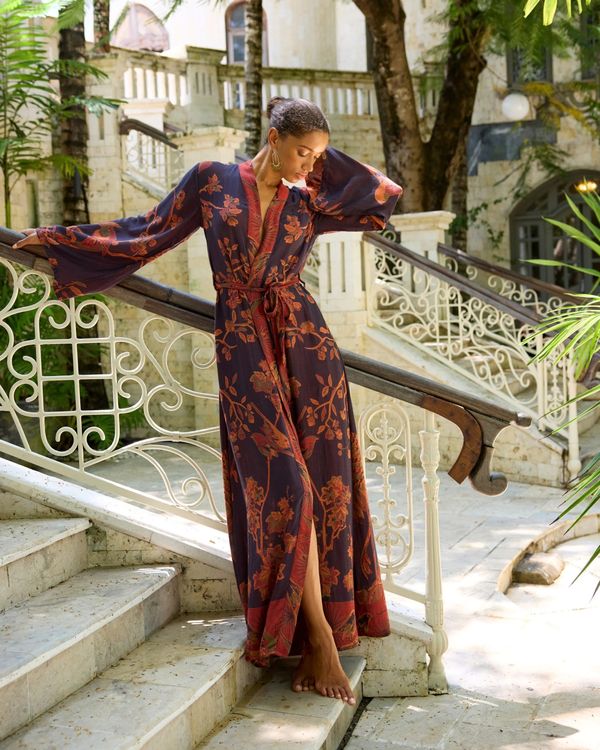
 Brahmaki
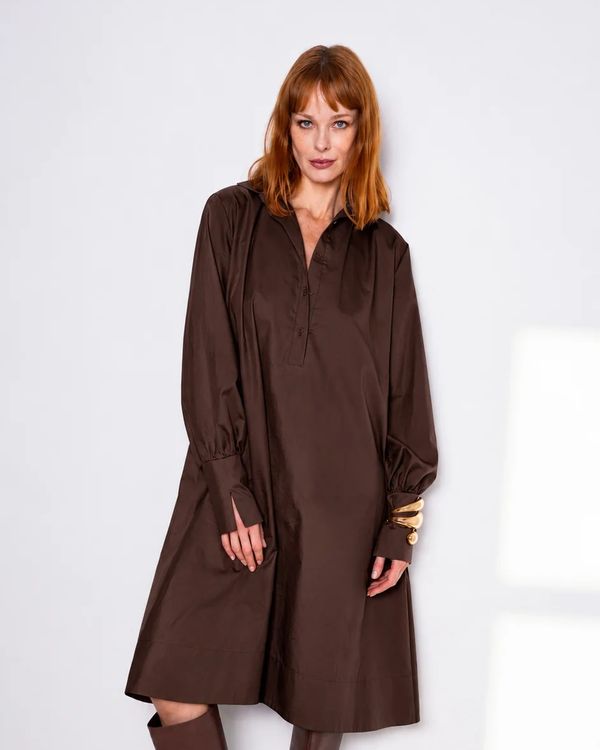 Monica Nera
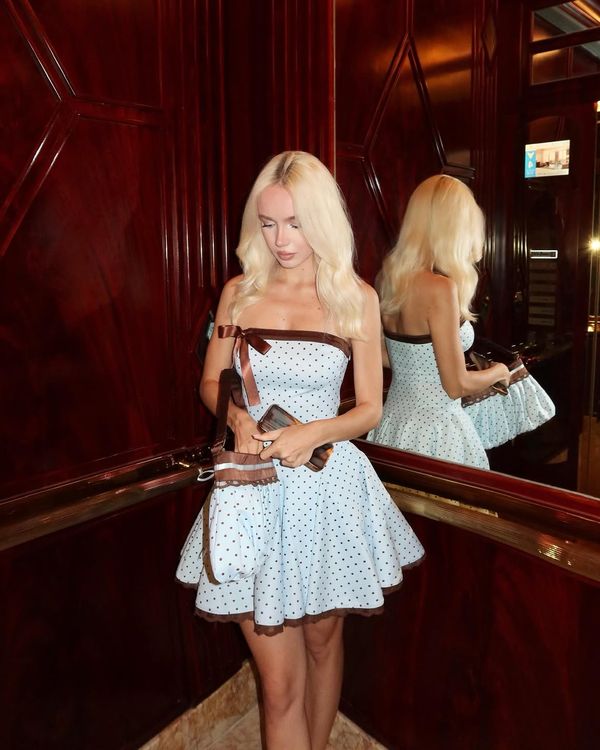 Angel Ruche
 Marame
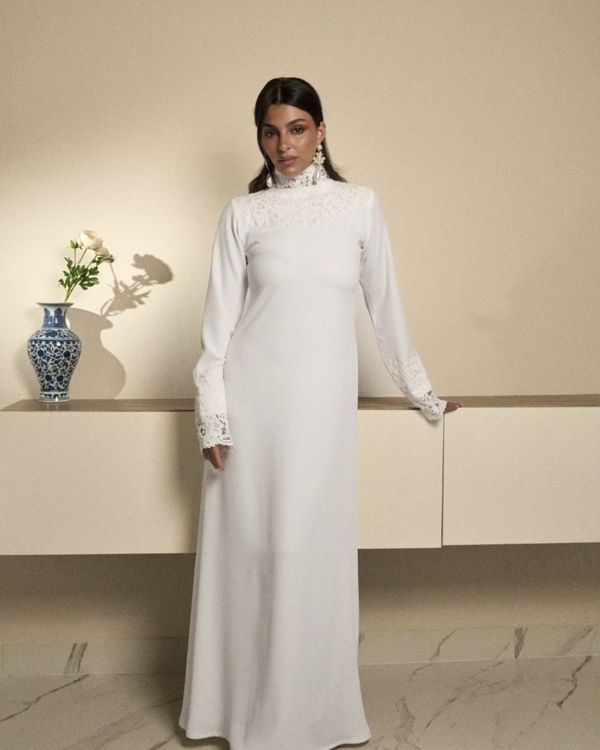 Hissa Line
 UK sustainable swimwear label
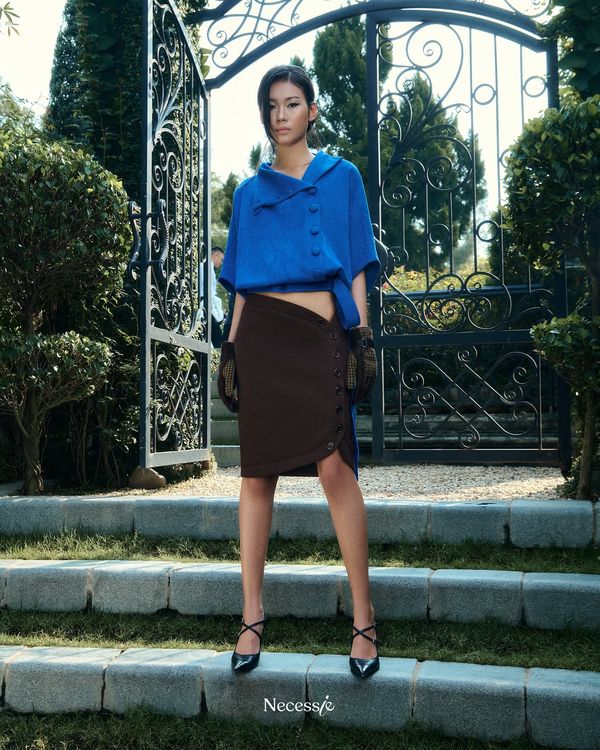 Necessie
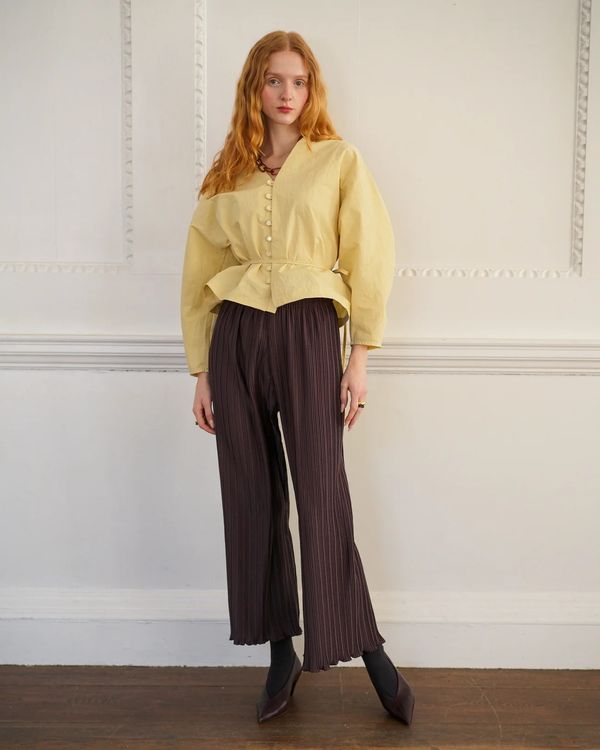 Proche Studio
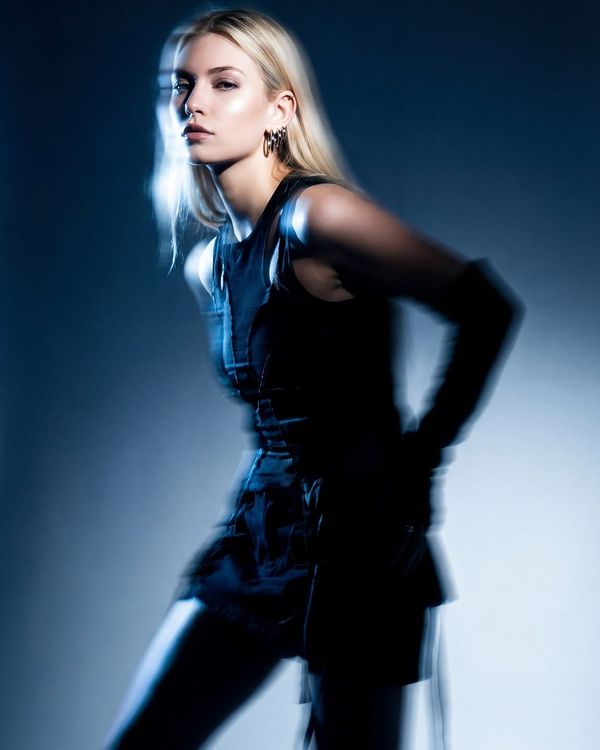 Sally Skoufis
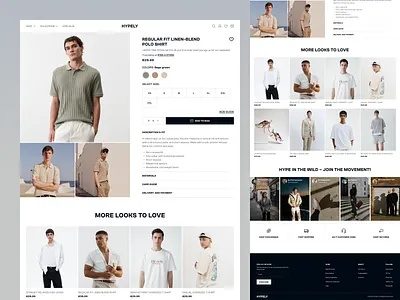
Short answer. The store's conversion rate is the ceiling on the ad account's return. On our accounts, conversion rate work took Angel Ruche from 1.2% to 4.1%, Brahmaki from 1.8% to 4.6% and Monica Nera from 1.3% to 6.3%, and those changes are what made the ROAS growth possible. The work is the product page (image order, fit, material, price presentation, reviews, mobile add to cart), page speed on mobile, checkout simplification, and collection pages that match the ad the customer clicked.
The arithmetic nobody argues with
If a store converts at 1.5% and the ads bring a thousand visitors, fifteen of them buy. If the same store converts at 3%, thirty buy, from the same ads at the same cost. The return on the ad spend has doubled and nothing in Ads Manager changed. This is why every account we take over starts with the store, and why we will not run Meta for a brand that will not let us touch it.
Fashion stores convert low for reasons that are specific to fashion. The customer cannot try the piece on. She does not know if it will fit, what the fabric feels like, whether the colour is the one in the photo, or what it looks like on a body like hers. Every unanswered question is a lost sale, and most product pages answer almost none of them.
The product page, in order of impact
Image order and quality
The first image sells the piece, the second shows it on a body, the third shows the detail, the fourth shows it worn in the world. Most stores lead with a flat lay or a ghost mannequin, and the customer leaves before she scrolls. Video in the gallery, even ten seconds of the piece moving, lifts conversion on almost every account we have tested it on.
Fit and size
The model's height and the size she wears, a real size guide with measurements, and a plain sentence about how the piece fits: true to size, runs large, fitted through the waist. This single block removes the biggest reason not to buy.
Material and making
What it is made of, where, and why that matters. For a brand like Marame, made in Portugal, this is the reason to buy and it belongs above the fold, not in a tab.
Price and offer
The price, the shipping threshold, the returns policy and any offer, presented once, clearly, near the add to cart. Not as a popup, not as a banner, not in three different fonts.
Social proof
Reviews with photos, near the add to cart, filtered so the useful ones are first. A brand with a community, like Angel Ruche, is sitting on more of this than it uses.
Mobile add to cart
Most fashion traffic is mobile and most product pages are designed on a desktop. The size selector and the add to cart button need to be reachable without scrolling back up, and the sticky bar needs to work.
Speed
Fashion stores are heavy. Large images, apps that each add a script, and themes built for the desktop demo. We cut page weight on mobile on every account, and the conversion lift from a faster page is real and usually underestimated. On Monica Nera speed was one of the four things that took the store from 1.3% to 6.3%.
Checkout
Every step that does not need to be there is a percentage of customers who leave. Express payment options, address autocomplete, no account creation required, shipping cost shown before the checkout rather than as a surprise inside it. Shopify's checkout is good; most stores have made it worse with what they added.
The landing page has to match the ad
A customer who clicked an ad for a specific dress and lands on a collection page of forty items has to find the dress again. Many do not. Every ad lands on the product or on a page built for the campaign, with the same creative, the same offer and the same message. We build these landing pages ourselves as custom Shopify sections, and every section we build uses schema settings so the brand's own team can edit it afterwards without a developer.
What good looks like
On premium fashion we consider 3% a healthy conversion rate, 4% strong and anything above that exceptional. The accounts on our home page are at 4.1%, 4.6% and 6.3%. Every one of them started below 2%, and every one of those ROAS figures depends on the conversion work having been done first. More on what to expect is in fashion ROAS and conversion benchmarks.
Questions on this
What is a good conversion rate for a fashion Shopify store?
Below 2% is where most fashion stores sit and where most of ours start. 3% is healthy, 4% is strong, and above that is exceptional. Our published cases are at 4.1%, 4.6% and 6.3% after the product page and checkout work.
What should a fashion product page include?
Images in the right order with the piece on a body and in motion, fit and size guidance with the model's measurements, material and where it was made, price and shipping and returns near the add to cart, reviews with photos, and a mobile add to cart that works without scrolling.
Do you need a developer to change a Shopify product page?
Not with the way we build. Every custom section we make uses schema settings, so the brand's own team can edit the content afterwards from the Shopify editor.