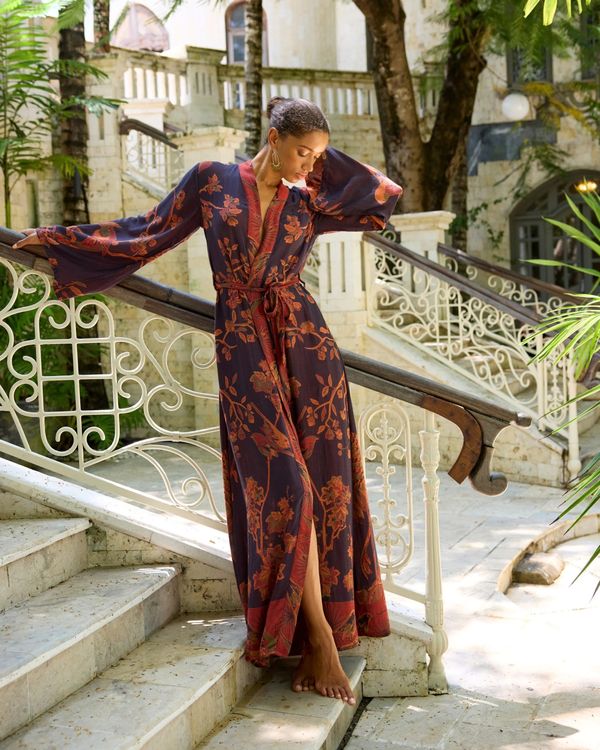
 Brahmaki
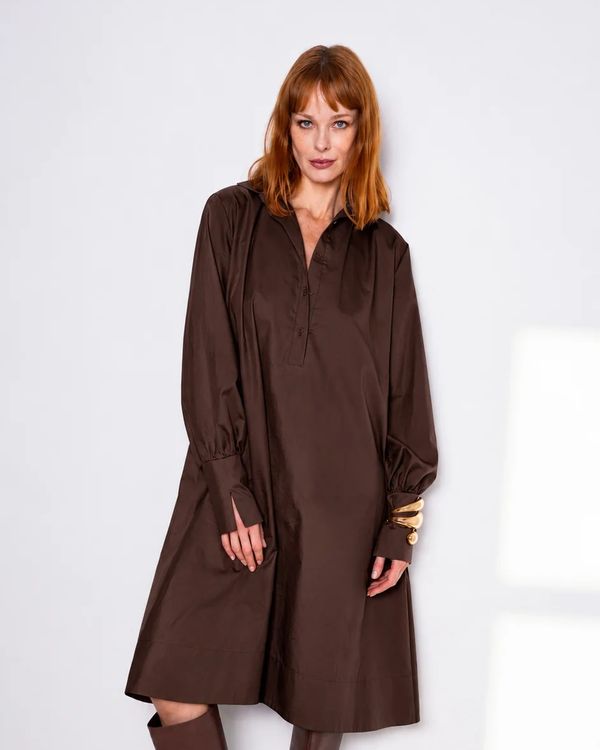 Monica Nera
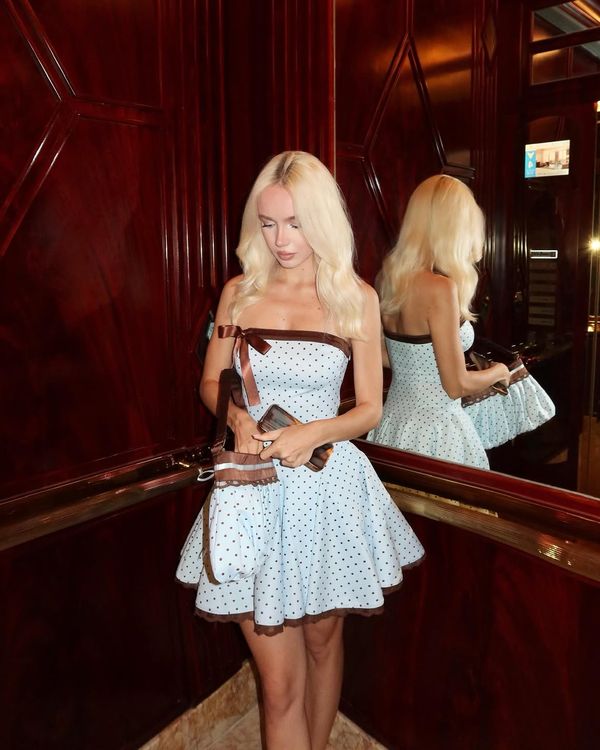 Angel Ruche
 Marame
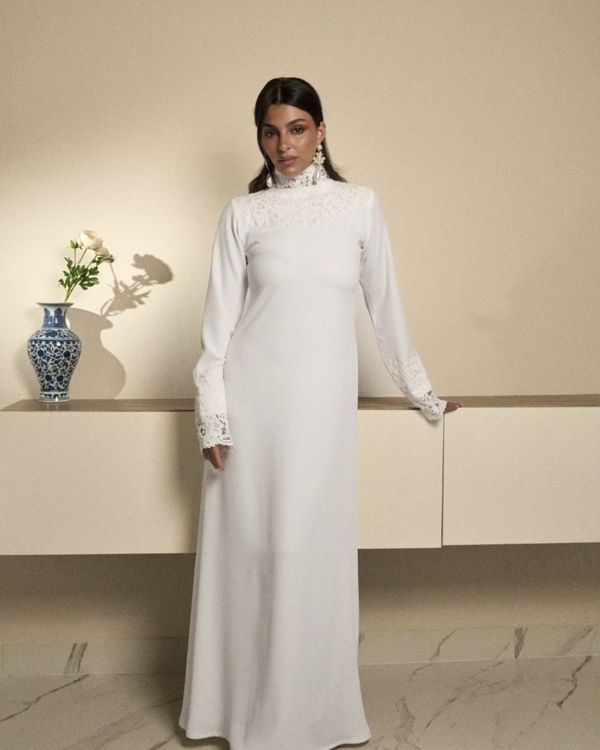 Hissa Line
 UK sustainable swimwear label
 Necessie
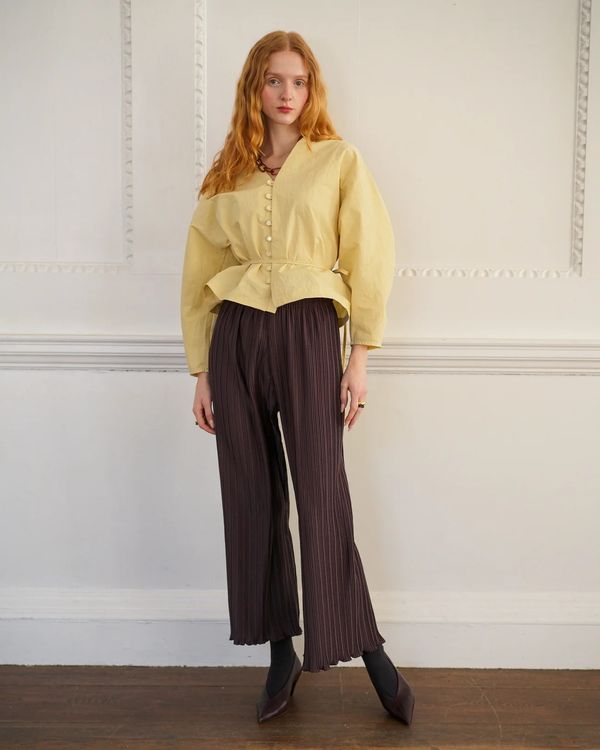 Proche Studio
 Sally Skoufis

Short answer. The returning customer rate, the share of orders from customers who have bought before, decides what a fashion brand can afford to pay for a new customer. At 38%, as on Marame, each new customer is worth far more than their first order, so the Meta account can spend more to acquire them and still be efficient. Getting there takes a welcome flow that explains the brand rather than discounting, a post purchase flow timed to the real wear cycle that introduces the pieces that go with what was bought, a winback timed to the real purchase cycle, and drop and restock emails that give a reason to return.
Why acquisition gets more expensive as you scale
The first customers an ad account finds are the cheapest, because they are the closest to buying already. As the account scales it reaches further, and each additional customer costs more. A brand that only ever wins the first order has an acquisition cost that rises with revenue, and eventually the return falls below what the margin can carry. That is the ceiling most fashion brands hit between €100,000 and €150,000 a month.
A brand where each customer buys two or three times has a completely different problem. The first order can be close to break even, because the second and third are almost free. The Meta account can pay more per customer, reach further, and still be efficient. This is why we treat the returning customer rate as more important than ROAS, and why Marame at 38% could scale to £200,000 a month without the return falling.
What produces a high rate
A product that rewards coming back
Some of it is the brand. A purposeful wardrobe where pieces go together, a drop calendar that gives a reason to return every week, a jewellery line built to be added to. The marketing can only amplify what the product gives it. But most brands with a product like this are still under 20%, because nothing in the account is built to bring the customer back.
The welcome flow explains, it does not discount
A customer who joined for ten percent off comes back for ten percent off. A customer who joined and was told what the brand is, what it is made of and which pieces to start with comes back for the brand. On Marame the welcome flow explains the wardrobe idea and it is where the returning rate starts.
Post purchase, timed to the real wear cycle
The most under built flow in fashion. The wait, how to wear and care for the piece, a request for a photo, and then, when the customer has actually worn the first piece, the pieces that go with it. Not three days after delivery. When she has worn it.
Winback, timed to the real purchase cycle
Thirty days is a default, not a strategy. A brand whose customers buy twice a season should winback on that rhythm, with new arrivals and what they missed rather than a code.
Drops and restocks
Every release is a reason to return, and a customer who registered interest in a sold out piece is the warmest lead the brand has. The flows are in Klaviyo for fashion brands.
Segmentation
A first time customer, a repeat customer and a VIP should hear different things. Early access and previews go to the people who have earned them, which both rewards them and makes the next tier want in.
How to read your own number
Shopify reports returning customer rate directly. Under 20% and the brand is buying almost every sale, and retention is the cheapest growth available. 25% to 40% is strong for fashion. Above 40% is rare and usually means a drop led or wardrobe led brand with a very engaged list. Whatever the number, it should rise as the Klaviyo setup is built, and the acquisition cost the Meta account can afford should rise with it. More on the numbers in fashion ROAS and conversion benchmarks.
Questions on this
What is a good returning customer rate for a fashion brand?
25% to 40% of orders is strong. Marame runs at 38%. Under 20% means the brand is paying to acquire almost every sale and retention is the cheapest growth available.
Why does the returning customer rate matter more than ROAS?
Because it decides what the brand can afford to pay for a new customer. A customer who buys three times lets the first order be close to break even, so the Meta account can reach further and still be efficient.
What email flows increase repeat purchase for a clothing brand?
A welcome flow that explains the brand rather than discounting, a post purchase flow timed to the real wear cycle that introduces the pieces that go with what was bought, a winback timed to the real purchase cycle, and drop and restock flows that give a reason to return.