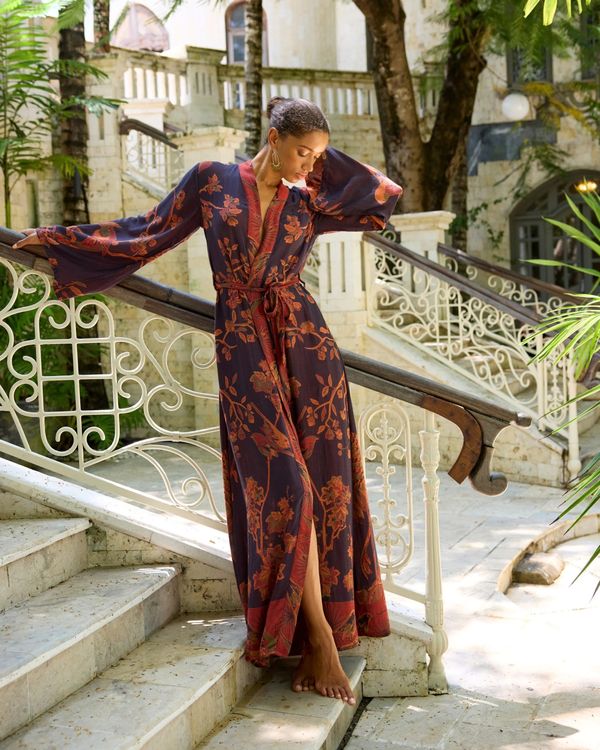
 Brahmaki
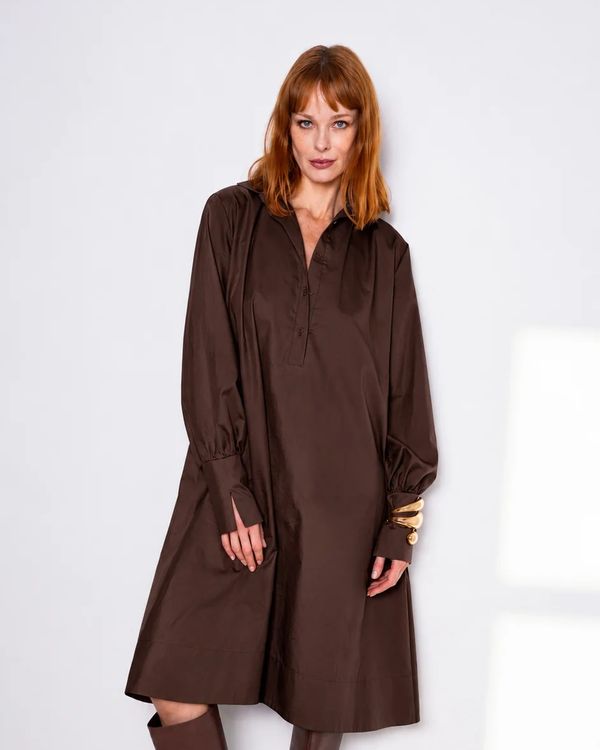 Monica Nera
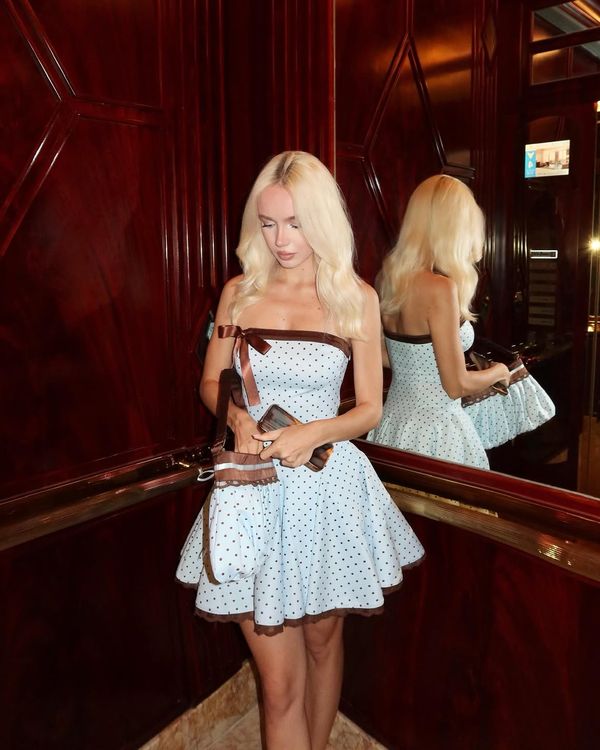 Angel Ruche
 Marame
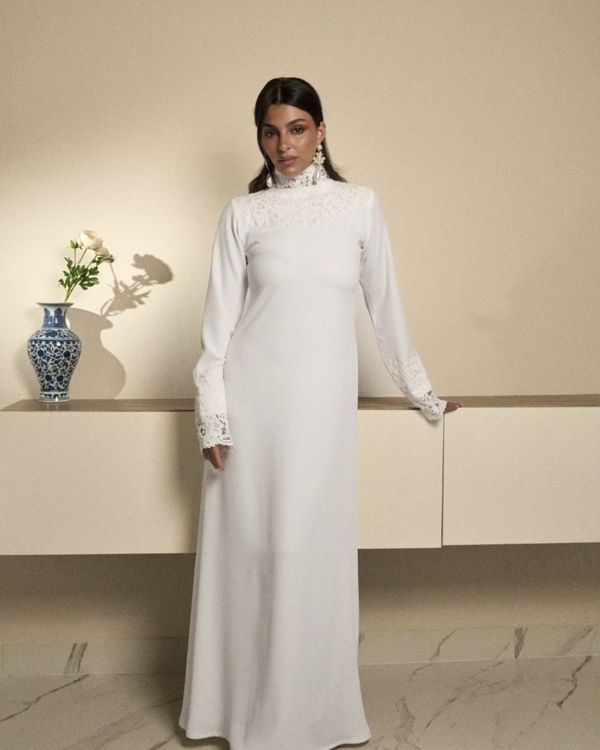 Hissa Line
 UK sustainable swimwear label
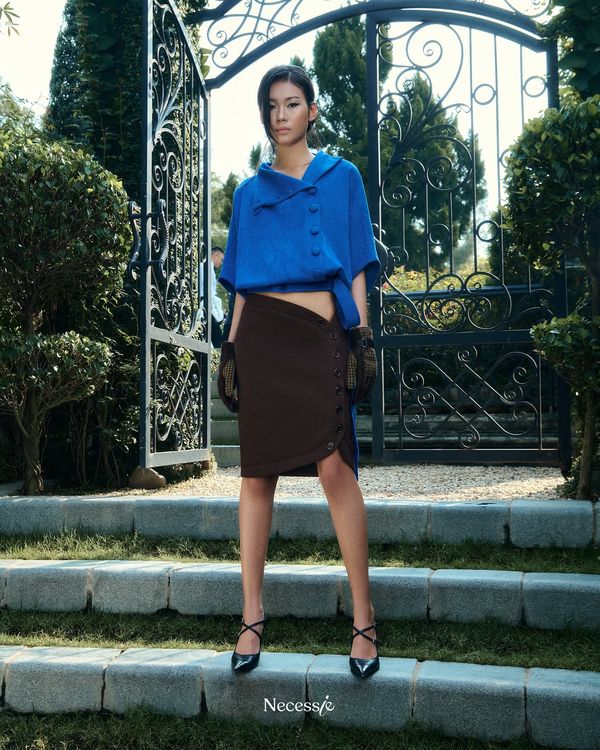 Necessie
 Proche Studio
 Sally Skoufis
Short answer. Running Meta ads for an abaya or modest wear brand changes four things compared with a standard fashion account: the calendar is built around Ramadan, Eid, the wedding season and the Gulf winter rather than a European seasonal calendar; the creative sells drape, fabric, length and occasion and never a percentage off; the account is structured by market, with the GCC customer and the UK and European diaspora customer run as separate campaigns with their own delivery promise and payment methods; and the store answers the questions this customer asks, fabric, length, what is included, how it falls in movement, in Arabic and English. The sequence itself is the one we run on every fashion account: store, structure, creative, scale. On Hissa Line, a Doha abaya label, it took the account from 5,000 to 70,000 a month in 60 days.
Why modest wear is its own job
A modest wear customer is one of the most loyal and highest spending customers in fashion, and she is badly served by most advertising. Generalist agencies run her like any other womenswear audience: discount led creative, a European seasonal calendar, one campaign for the whole world. It does not work, because almost everything about the category is different. The calendar is different, the markets are different, the way the product has to be shown is different, and the questions she asks before she buys are different. Get those four right and the rest of the account is the same work we do on every fashion brand.
The calendar
A modest wear account runs on a calendar that most agencies do not have in their heads. Ramadan is the largest shopping period of the year for abayas and occasion wear, and most of the buying happens in the weeks before it and in the run up to Eid al Fitr at its end. Eid al Adha follows roughly ten weeks later. The wedding season, the Gulf winter when the cities fill up, and the gifting moments around them sit on top. And because the Islamic calendar is lunar, the whole thing moves about eleven days earlier each year, so a plan copied from last year is already late.
In practice that means the account's big creative and budget pushes are built six to eight weeks before Ramadan and before each Eid, the list is built in the quieter months in between, and Black Friday matters less than it does for a European brand, though it still matters for the diaspora customer. The structure is the same two layer account we use for any brand on a release calendar, described in advertising a fashion brand on a drop calendar, with the dates changed.
Creative: drape, fabric, occasion
An abaya is bought for how it falls, how the fabric moves and catches light, the length, the detail at the cuff and the neckline, and the occasion it is for. The creative has to show exactly that. Pieces in movement rather than flat. Fabric close enough to see the weave of the lace or the depth of the velvet. The piece styled for the occasion it belongs to, an evening, a wedding, Eid morning, a working day. And the brand's own world: the sets, the light, the restraint. Price led creative does worse here than in almost any other category, because the customer is not buying on price and a percentage off reads as a lower tier of product.
The ads that win are usually the simplest. On Hissa Line the winning creative was a single piece, a black lace abaya, photographed the way the label photographs everything, with nothing else in the frame. The general rules are in ad creative that reads as brand first, and modest wear is where they apply most strictly. English creative carries most accounts; Arabic creative reaches a customer that English misses and is worth building once the account is proven.
Structure: the Gulf and the diaspora are two different accounts
Most modest wear brands have two customers who look similar on paper and behave completely differently. The Gulf customer in Doha, Dubai, Riyadh or Kuwait expects delivery today or tomorrow, often still pays cash at the door, uses Tabby or Tamara for instalments, and spends more per order than almost anyone. The diaspora customer in London, Birmingham, Paris, Brussels or Berlin pays with card, Klarna or PayPal, expects European delivery times and returns, and shops heavily around Eid and in the weeks before Ramadan. Running them in one campaign with one delivery promise serves neither.
So the account is structured by market: broad prospecting per market or market group, creative with the right currency and delivery promise in it, landing pages that match, and the Klaviyo list segmented by market from the first signup. The rest is the consolidated structure we use everywhere, in how we structure a Meta account for fashion. What changes for a Gulf customer in detail is on our UAE and GCC market page; the European side is on the UK and France pages.
The store: answer her questions before she asks
Fabric, by name. Length, with a guide by height, because an abaya that is too short is returned and one that is too long is altered. What is included: whether the headscarf or the inner slip comes with it. How it falls in movement, which means video on the product page. Care. Whether it is lined. The occasion it is cut for. Then the market basics: local currency, the delivery promise for that country stated on the product page, the payment methods she expects, and Arabic language support even where the creative is in English. A store that answers these converts at a rate that lets the ads scale; one that does not makes every click expensive. The method is in why the product page decides your ROAS.
Klaviyo: the second piece and the gifting calendar
A modest wear customer buys the next piece for the next occasion, which makes retention the most valuable part of the account. The Klaviyo setup is built around that: a welcome flow that introduces the brand and its fabrics rather than offering a code, a post purchase flow that presents the piece that goes with what she bought, back in stock and register interest flows for the pieces that sell through before Eid, and a campaign calendar that leads each Ramadan, Eid and wedding season by weeks rather than announcing it on the day. SMS and WhatsApp matter more here than in Europe. The full setup is in Klaviyo for fashion brands.
What it did for Hissa Line
Hissa Line is a luxury abaya and modest wear label designed in Doha. When the account came to us it was doing 5,000 a month, reaching the people who already knew the label and not many more. Sixty days later it was doing 70,000 a month, fourteen times as much, with the product, the price and the positioning exactly as they were. The sequence was the one above: the store first, then the Meta account rebuilt by market with a weekly creative cadence built on the label's own imagery, then spend scaled into what was working. Nothing about it was specific to modest wear except the calendar, the creative and the market split, and those were the whole difference.
What this is useful for
If you run an abaya, kaftan or modest wear brand and your ads are being run like a generic womenswear account, with a discount in the creative, a European calendar and one campaign for the world, this is the article to send to whoever runs them. The account does not need a different method. It needs the fashion method, with the calendar, the creative and the markets set for the customer who is actually buying.
Questions on this
What is different about Meta ads for a modest wear brand?
Four things. The calendar runs on Ramadan, Eid, the wedding season and the Gulf winter rather than European seasons. The creative sells drape, fabric, length and occasion rather than a discount. The Gulf customer and the diaspora customer in the UK and Europe are run as separate campaigns with their own delivery promise and payment methods. And the store has to answer fabric, length, what is included and how it moves, in Arabic and English.
When should an abaya brand start advertising for Ramadan?
Six to eight weeks before it begins, with the list built in the months before that. Most of the buying happens in the weeks leading into Ramadan and in the run up to Eid al Fitr at its end, and the dates move about eleven days earlier each year.
Do discounts work for modest wear brands?
Less than in almost any other fashion category. The customer is buying on fabric, drape and occasion, and a percentage off in the creative reads as a lower tier of product. Early access, gifting and limited pieces do the work a discount does elsewhere.
Which markets should a Gulf modest wear brand expand into?
The UK first, then France, Belgium and Germany, then the US, each as its own campaign with its own currency, delivery promise and payment methods. The diaspora customer shops heavily around Eid and before Ramadan.
Has Fundal Media run a modest wear brand?
Yes. Hissa Line, a luxury abaya label designed in Doha, went from 5,000 to 70,000 a month in 60 days with us, and modest wear brands in the Gulf and Europe are a growing part of the accounts we run.