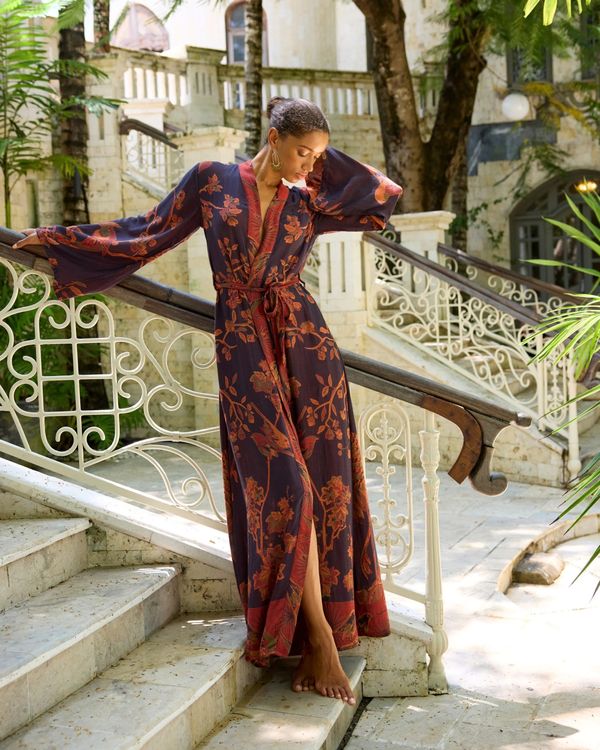
 Brahmaki
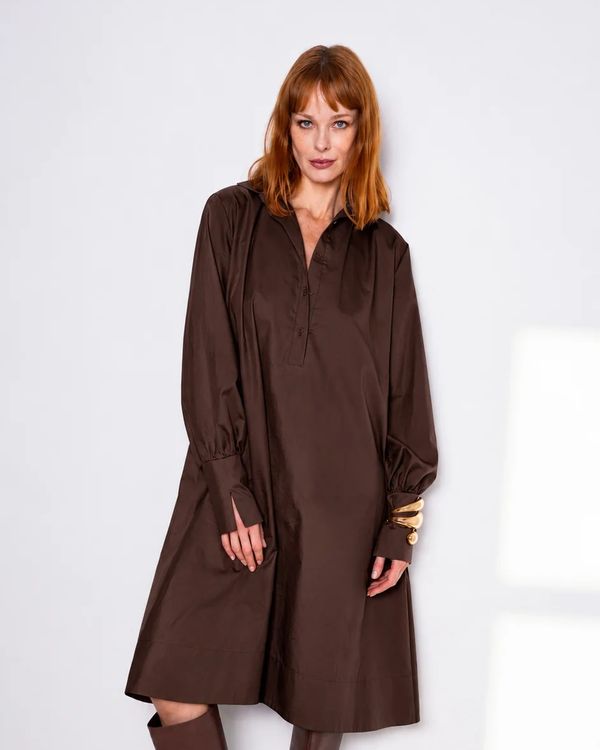 Monica Nera
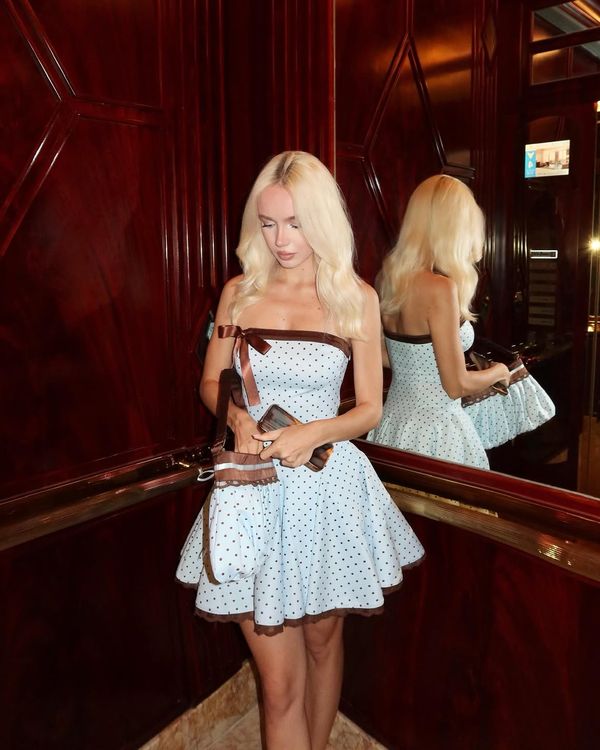 Angel Ruche
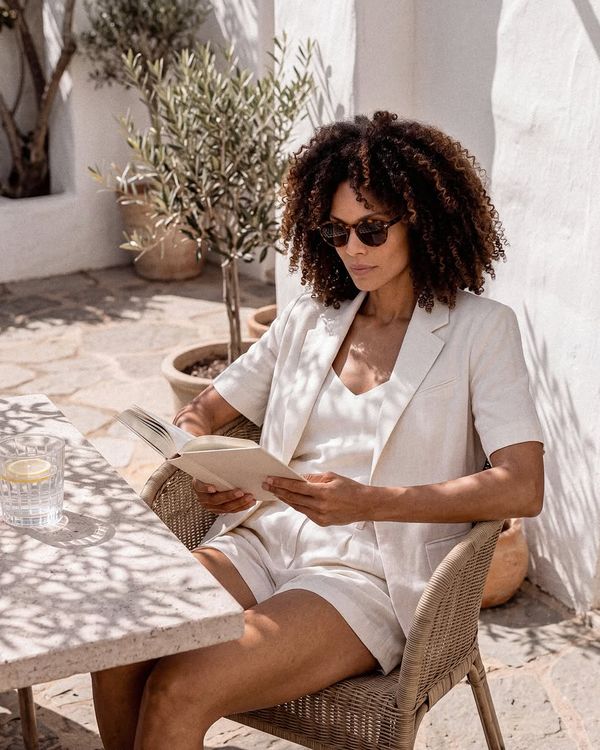 Marame
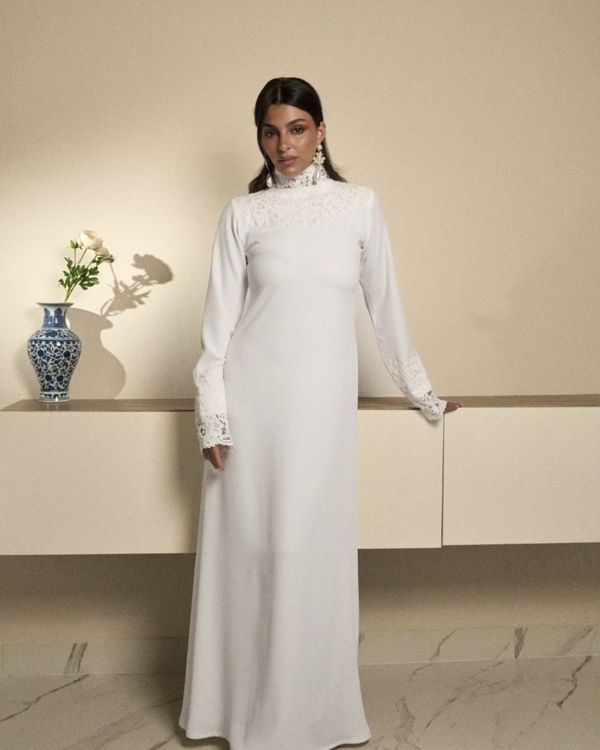 Hissa Line
 UK sustainable swimwear label
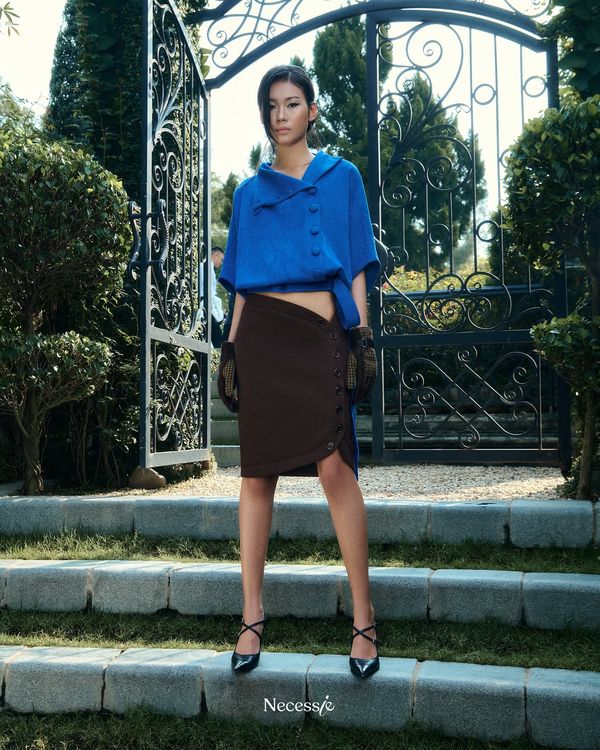 Necessie
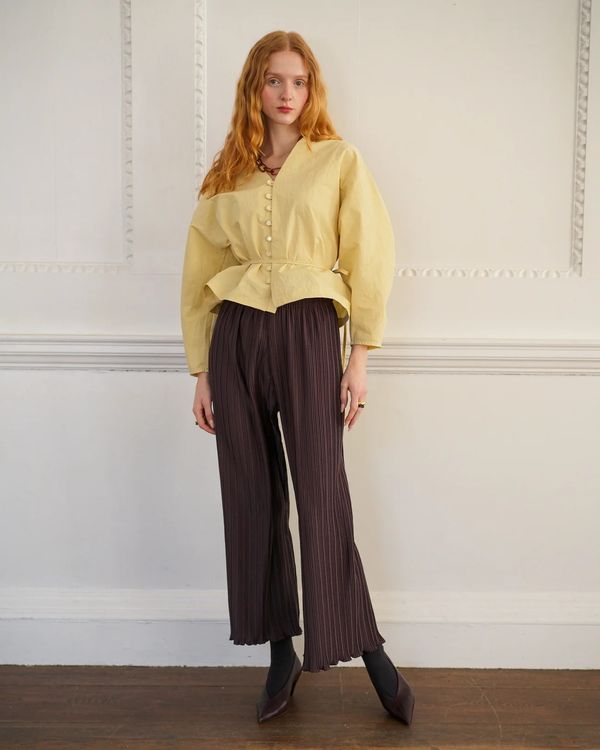 Proche Studio
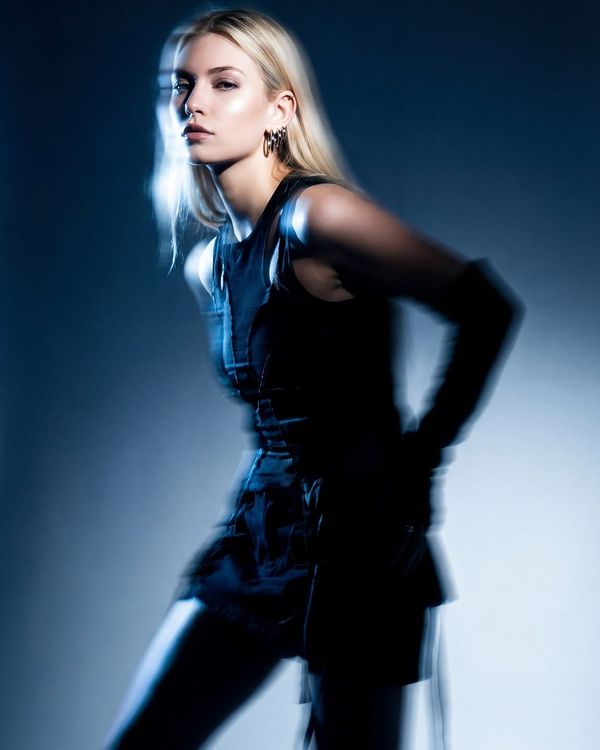 Sally Skoufis
Short answer. A fashion Klaviyo setup needs six core flows (welcome, browse abandonment, cart abandonment, post purchase, winback and a drop or back in stock flow), a campaign calendar that follows the brand's collection schedule rather than a fixed weekly send, and segmentation by market, category interest and purchase history. Written in the brand's voice, timed to the product's real wear and purchase cycle, and measured as a share of total revenue.
What the account usually looks like when we open it
A welcome flow with a ten percent code. A cart abandonment flow that fires once. A weekly newsletter that goes to everyone, with whatever was on the homepage that week. No segmentation beyond subscribed and not subscribed. Email at somewhere between five and twelve percent of revenue, which for a fashion brand is leaving most of the retention money on the table.
The six flows
Welcome
The welcome flow is where the brand gets to explain itself, and most brands waste it on a discount. We write it as a short series: who the brand is and why it exists, what the product is made of and where, the pieces to start with, and then, if the brand discounts at all, the offer. On premium accounts there is no code. On Marame the welcome flow explains the purposeful wardrobe idea, and it is a large part of why 38% of orders are from returning customers.
Browse abandonment
Triggered by a product view without a cart add. Short, the product they looked at, one or two related pieces, and a reason to come back that is not a discount: fit information, a styling note, the making story. Timed within hours, not days.
Cart abandonment
Three messages over roughly two days. The first is a reminder with the cart. The second handles the objection, usually fit, returns or shipping. The third is the only place a code might appear, and on many premium accounts it does not. SMS sits alongside email here and it is the single most effective SMS use in fashion.
Post purchase
The most under built flow in fashion. It should cover the wait for delivery, how to wear and care for the piece, a request for a review or a photo, and then an introduction to the pieces that go with what was bought, timed to when the customer has actually worn the first one. This is where the second purchase is made.
Winback
For customers who have not bought in a period that matches the brand's real purchase cycle. Not thirty days for a brand whose customers buy twice a year. New arrivals, what they missed, and for the lapsed segment a reason to return.
Drop and back in stock
For brands with collections or restocks, a flow that lets a customer register interest and be told first. On brands that release weekly, the drop email is the most anticipated message the brand sends, and it is usually the best performing one.
The campaign calendar
A fixed weekly newsletter is a habit, not a strategy. We build the campaign calendar around the brand's own rhythm: collection launches, drops, restocks, seasonal moments, end of season sale windows, and the brand's own stories. Some weeks that is three sends. Some weeks it is none. The most engaged segment gets previews. The full list gets the launch. The lapsed segment gets a different message from the loyal one.
Segmentation
The segments that matter in fashion are market (a customer in Germany should not get a UK shipping message), category interest (menswear versus womenswear, or a category the customer has browsed or bought), purchase count (first time, repeat, VIP) and engagement (opened or clicked in the last period). Four dimensions, combined sensibly, are enough for almost every account. We have seen accounts with sixty segments and no strategy.
SMS
SMS earns its place for three things: cart recovery, drops and restocks. It does not earn its place for a weekly send, and brands that use it that way burn the list. Kept to those three uses it is one of the highest return channels in the account.
How it shows up in the numbers
When the setup is complete, email and SMS should be a meaningful share of revenue and the blended acquisition cost on the paid side should fall as the account grows, because each new customer is worth more than their first order. That is what happened on Brahmaki and Monica Nera, and it is why we do not run Meta for a brand that will not let us into Klaviyo.
Questions on this
What Klaviyo flows does a fashion brand need?
Six core flows: welcome, browse abandonment, cart abandonment, post purchase, winback, and a drop or back in stock flow. Each written in the brand's voice and timed to the product's real purchase cycle.
How often should a fashion brand email its list?
As often as there is something worth saying. We build the calendar around collections, drops, restocks and seasonal moments rather than a fixed weekly send. The most engaged segment can hear from the brand more often than the lapsed one.
Should fashion brands use SMS?
Yes, for cart recovery, drops and restocks. Not for a weekly send. Kept to those uses it is one of the highest return channels in the account.