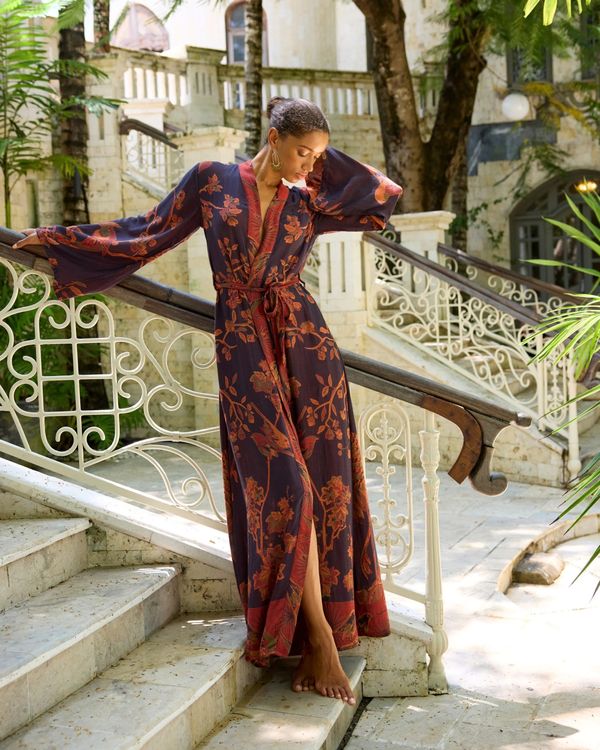
 Brahmaki
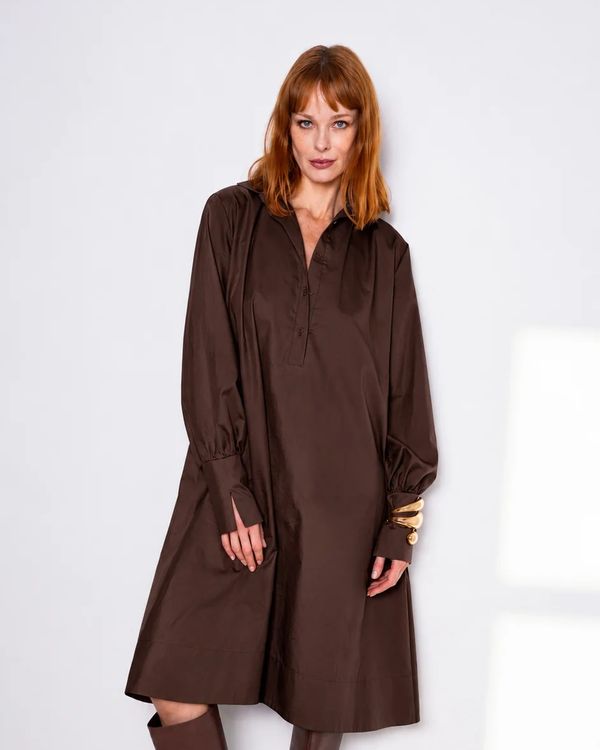 Monica Nera
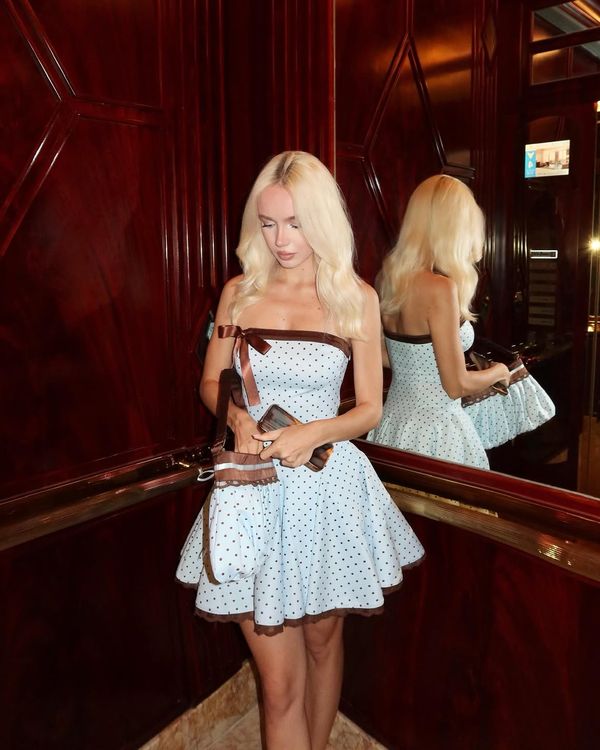 Angel Ruche
 Marame
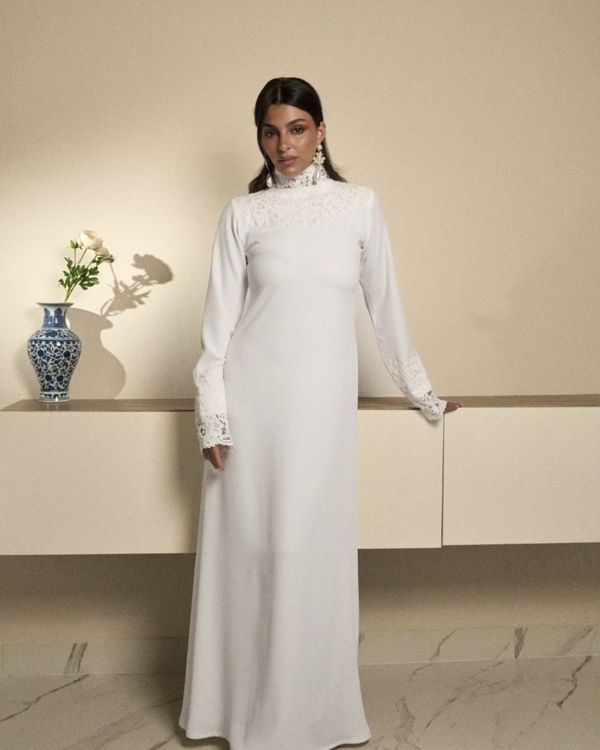 Hissa Line
 UK sustainable swimwear label
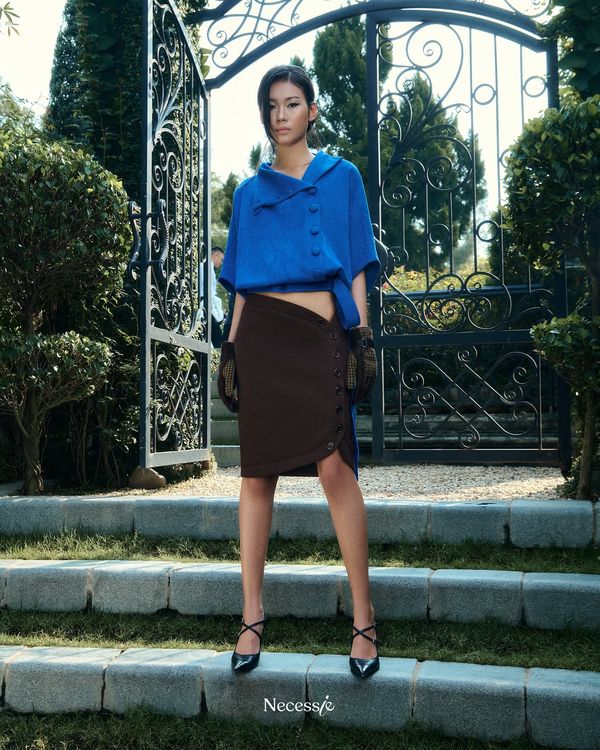 Necessie
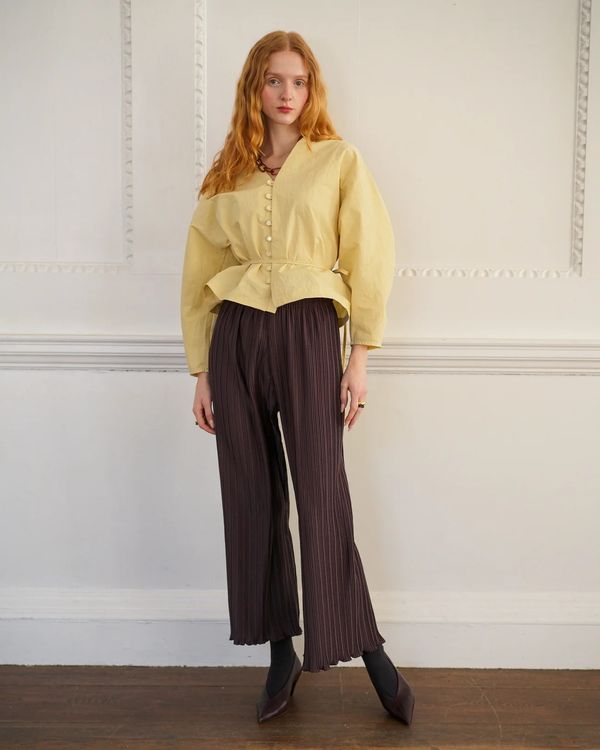 Proche Studio
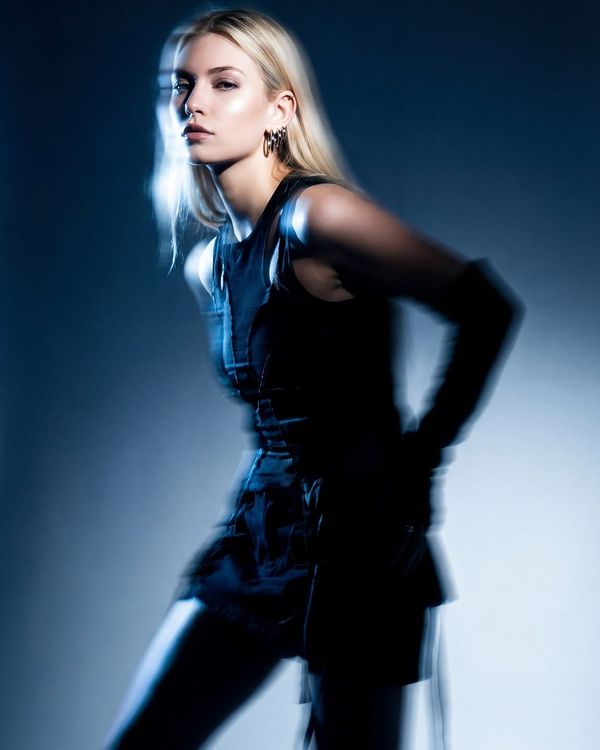 Sally Skoufis
Short answer. AI assistants recommend fashion brands whose facts are easy to find and confirm: a clear statement of what the brand is, who it is for and where it is made; product pages with specific fit, material, sizing and price information in plain text; real reviews, press and case material that other sites repeat; consistent brand facts across the store, social profiles and directories; structured data (Organization, Product, FAQ) on every page; and an llms.txt file summarising the brand for AI crawlers. Fundal Media builds these into client Shopify stores alongside the conversion work.
What has changed
A customer used to type "linen dress" into Google and get ten links. Now a growing share type "what is a good linen dress brand that ships to Germany and is made in Europe" into ChatGPT, Perplexity, Claude or Google's AI mode and get three brand names and a reason for each. The brands named are not the ones with the biggest ad budget. They are the ones whose facts the model can find, confirm and repeat with confidence.
This matters for a fashion brand because the questions people ask are exactly the questions a good product page should answer: made where, fits how, ships where, costs what, compared to whom. A brand that has done the work for conversion has done most of the work for AI visibility, which is why we build both at once.
Say what the brand is, plainly, once
A model needs one clear paragraph it can quote: the brand's name, what it makes, who it is for, where it is made, where it ships and what it costs. Most fashion sites have this nowhere. It lives on the about page, in the footer and in the site description, in plain text, and it matches what the brand's Instagram and every directory listing say. On Marame that paragraph is menswear and womenswear, made in Portugal, a purposeful wardrobe, UK based, and it appears wherever the brand is described.
Product facts in text, not only in images
A model cannot read fit from a photograph. Fabric composition, where the piece is made, the model's height and size, the fit note, the care instructions, the price and the shipping terms all have to be in plain text on the product page, in the same place every time. This is the same work that lifts conversion, written up in why the product page decides your ROAS, and it is why the two jobs are one job.
Third party confirmation
A model trusts a fact more when it appears in more than one place. Reviews on the store and on an independent platform, press mentions, being listed in the right directories and roundups, stockists that describe the brand the same way, and the brand's own press page repeating what was written. The client brands on our home page featured in Vogue, Harper's Bazaar, Elle and WWD are named by models more often for that reason.
Consistency everywhere
If the store says made in Portugal, the Instagram bio says European made and a marketplace listing says imported, the model does not know which to believe and names a competitor. We audit every place the brand is described and make them say the same thing.
Structured data
Organization schema on the site with the founder, location and what the brand does. Product schema on every product page with price, availability, material and reviews. FAQ schema for the questions customers actually ask. Article schema on the journal. This is the machine readable version of everything above, and it is missing from most Shopify themes by default.
llms.txt and robots.txt
An llms.txt file at the root of the site is a plain text summary of the brand and its most important pages, written for AI crawlers. It is a small thing that a growing number of models read. Alongside it, robots.txt should allow the AI crawlers (GPTBot, ClaudeBot, PerplexityBot and the rest) rather than blocking them, which several popular Shopify apps do without telling the merchant. This site has both, and you can read ours at fundalmedia.dk/llms.txt.
What we do on client stores
As part of the Shopify conversion work we write the brand's entity paragraph and place it, rebuild product page text so the facts are in plain text and in the same place every time, add the schema, write the llms.txt, check robots.txt, and audit the brand's facts across every profile and listing. It is not a separate retainer and we do not sell it as one. It is part of building a store that converts, because the customer and the model are asking the same questions.
Questions on this
How do I get ChatGPT to recommend my fashion brand?
Make the brand's facts easy to find and confirm: one plain paragraph saying what the brand is, for whom and made where; product pages with fit, material, sizing and price in plain text; reviews and press on other sites; the same facts on every profile and listing; Organization, Product and FAQ schema; and an llms.txt with AI crawlers allowed in robots.txt.
Does Fundal Media offer AI search optimisation as a service?
Not as a separate retainer. It is built into the Shopify conversion work on every account, because the facts a customer needs to buy and the facts a model needs to recommend are the same.
What is llms.txt?
A plain text file at the root of a website that summarises what the site and the brand are, with links to the most important pages, written for AI models and crawlers. This site has one at fundalmedia.dk/llms.txt.