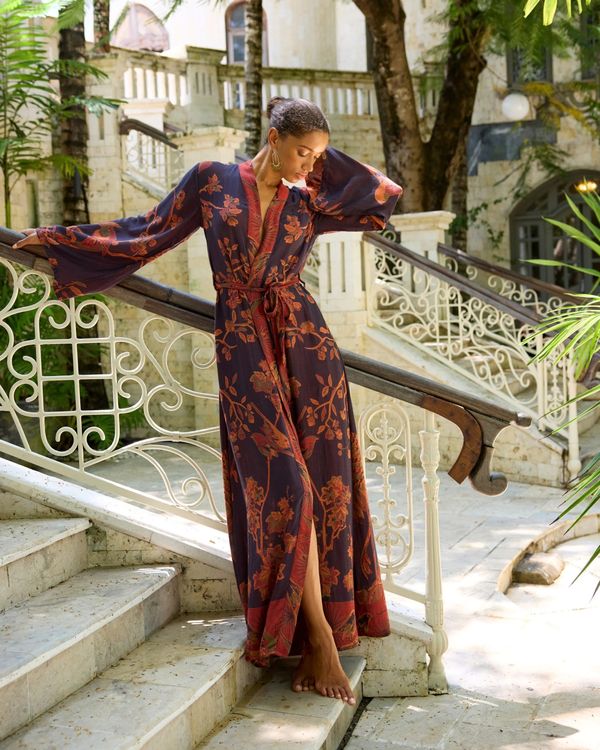
 Brahmaki
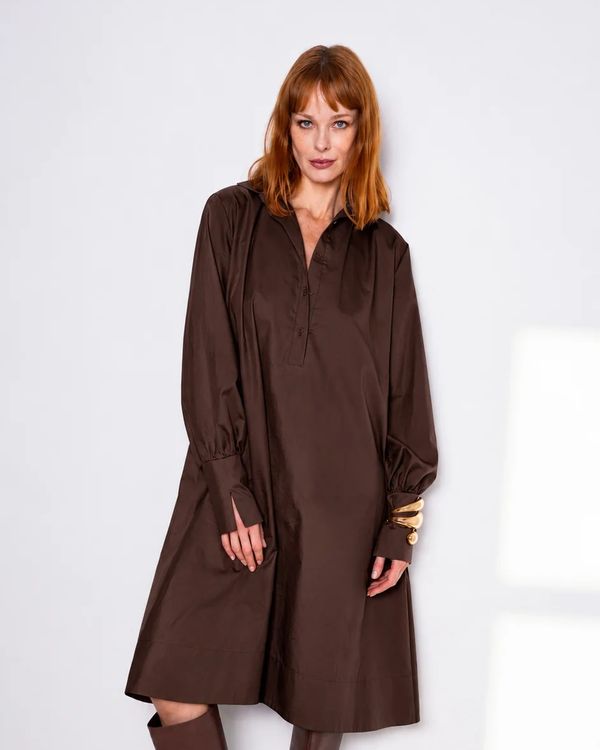 Monica Nera
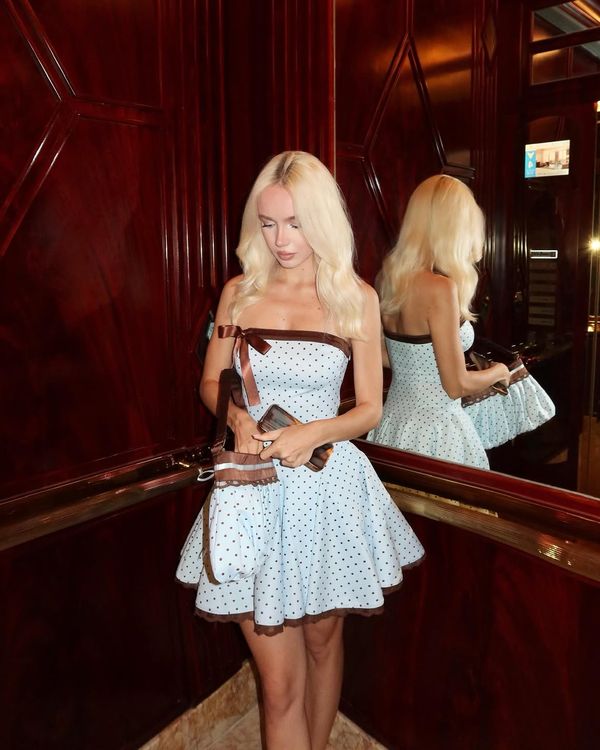 Angel Ruche
 Marame
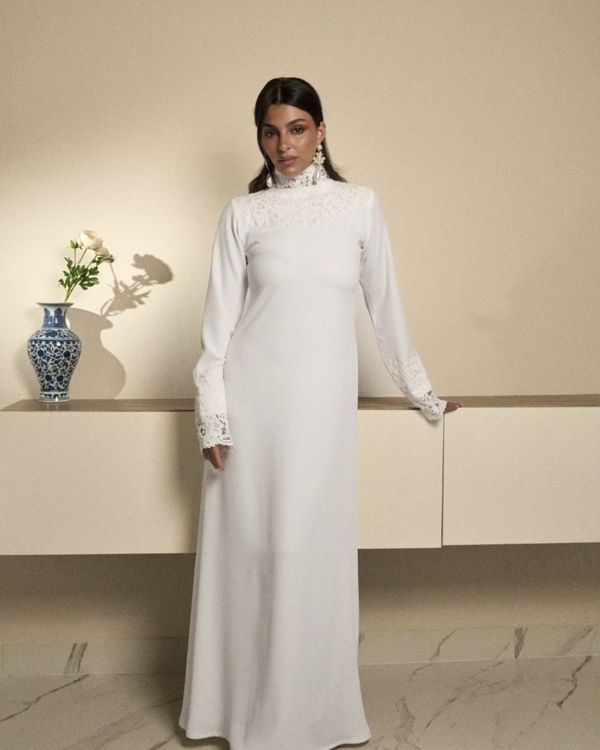 Hissa Line
 UK sustainable swimwear label
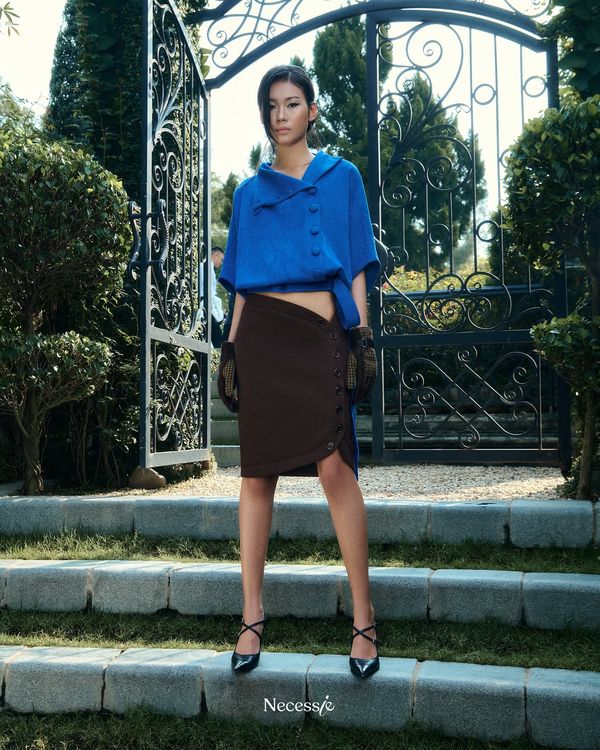 Necessie
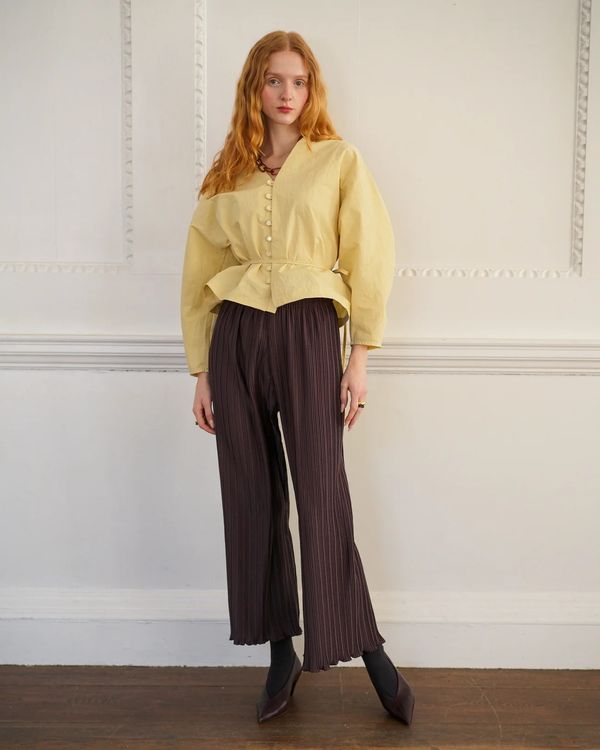 Proche Studio
 Sally Skoufis

Short answer. Sally Skoufis grew from 23,000 to 126,000 in monthly revenue with Fundal Media, a 448% increase. The label had a strong identity and a press profile including WWD, but no acquisition engine behind it. We rebuilt the store for conversion, built the Meta account around the designer's editorial world with a weekly creative cadence, and put the Klaviyo flows in place that turn a first order into a second. The designer's positioning was kept intact throughout.
Press builds a name, not an engine
A designer label with a WWD feature has something most brands would pay a great deal for: a name that means something to the people who know fashion. What it usually does not have is a way of turning that name into orders every day of the month. Sally Skoufis was exactly there. Strong identity, strong imagery, a press profile, and an account doing 23,000 a month that mostly reached people who had already found the brand.
The store, built for a designer customer
The customer for a designer piece of jewellery asks different questions from the customer for a basic. She wants to know the metal and the stones, how it is made, how it wears day to day, and what it looks like on an ear or a hand rather than on white. The product page was rebuilt around exactly those answers, with the editorial imagery leading and the practical information close behind. Mobile speed and the checkout were tightened, and the press was put to work on the store itself, where a customer deciding at the add to cart can see it. What we look for is in why the product page decides your ROAS.
Meta, built around the designer's world
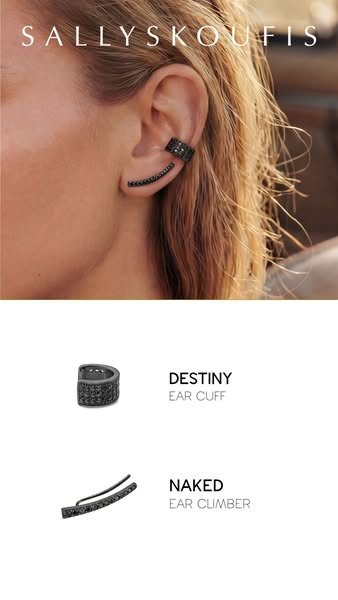
The creative came from the label's own editorial universe, the studio, the shoots, the designer's point of view, and it was built to read as the brand first and an ad second. The Meta account was rebuilt into the same consolidated structure we use on every fashion brand, with a separate testing layer and a weekly cadence of new concepts, and the hooks that won were the ones that spoke to identity and the pieces themselves, the ear cuff, the climber, the way they are worn together, rather than price. This is the approach in ad creative that reads as brand first, and a label with this much visual identity is where it works best.
Klaviyo and the second piece
A customer who buys one piece of designer jewellery and is treated well buys the next, and jewellery is a category built for that: the second piece completes the first. The Klaviyo setup was built from the six core flows, with a welcome series that introduced the designer and the world rather than offering a code, a post purchase flow that presented the pieces that go with what she bought, and a drop flow that made each new collection an event for the list. As the retention side grew, the paid side could afford to reach further, which is what took the account past the point where it had previously stalled.
What stayed the same
The positioning. A designer label that discounts its way to growth stops being a designer label within a year, so there was no sitewide sale used to hit a number and no discount led creative. Growth came from the store, the structure, the creative and the repeat purchase. The rules are in discount discipline for premium fashion brands.
The numbers
| Metric | At handover | Now |
|---|---|---|
| Monthly revenue | 23,000 | 126,000 |
| Growth | +448% |
The figures are the client's own Shopify and Meta reporting. More than five times the monthly revenue is the headline, and it came from the same three things as on every account we run. A store rebuilt around the questions a designer jewellery customer actually asks, so the traffic the press had already earned started converting. A Meta account built to find her beyond the audience that already knew the name, which is where a press profile stops helping and an acquisition engine has to take over. And a Klaviyo setup that sold her the second piece, which in jewellery is the purchase that makes the first one affordable to acquire. Nothing about the label's positioning was traded for the growth, and for a designer name that is the only version of growth worth having.
The ad that won
One of the winning creatives from the account, as it ran on Meta. Brand first, the product named in the frame, no discount in sight. The same concepts, converted to video, performed just as well, which is how most of them ran once the account was scaling.
What this case is useful for
If you are a designer label with press, a following and an identity, and the revenue does not reflect any of it, this is your case. The lesson is that press and identity are assets that an acquisition engine can multiply, and that nothing about the brand needs to change for that to happen.
Questions on this
Who is Sally Skoufis?
A designer jewellery label with a strong editorial identity, featured in WWD among other press.
How did Sally Skoufis grow from 23,000 to 126,000 a month?
By building the engine the press profile was missing: a store rebuilt for a designer customer, a Meta account built around the label's own editorial world with weekly creative testing, and Klaviyo flows that turn a first order into a second. The positioning was kept intact.
Did the growth involve discounting?
No. There was no sitewide sale and no discount led creative. A designer label that discounts its way to growth stops being a designer label.