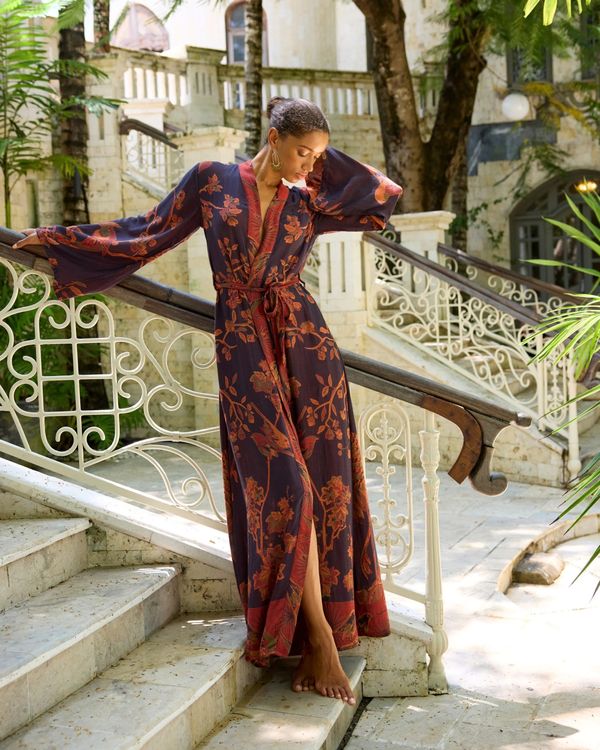
 Brahmaki
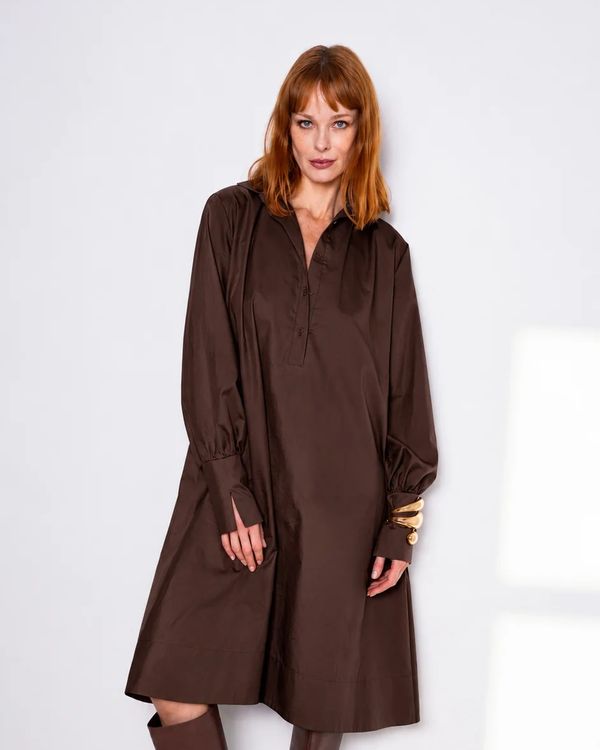 Monica Nera
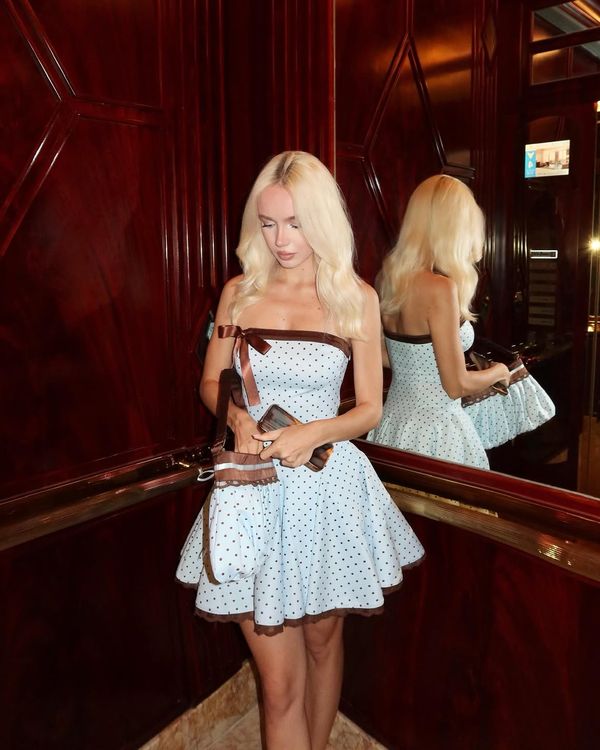 Angel Ruche
 Marame
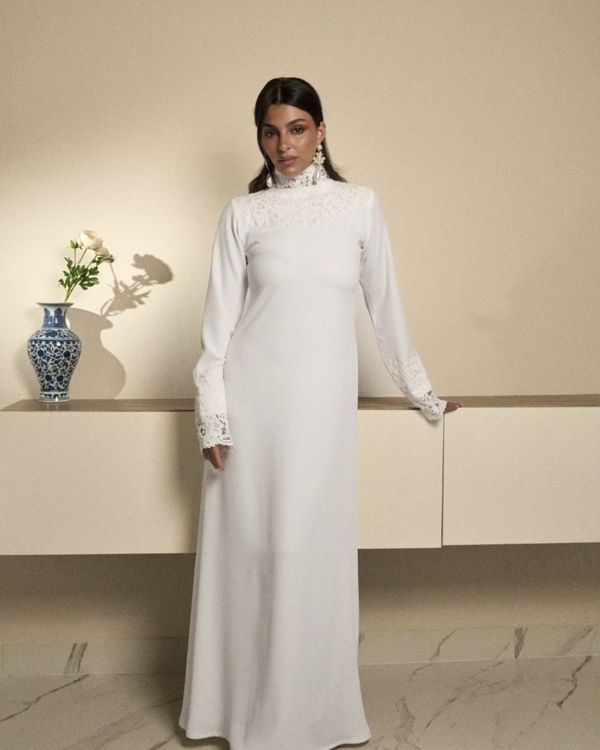 Hissa Line
 UK sustainable swimwear label
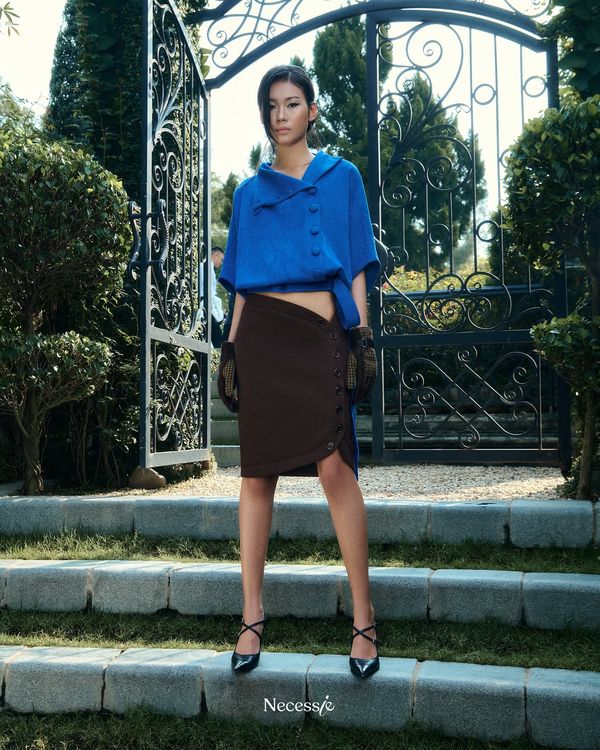 Necessie
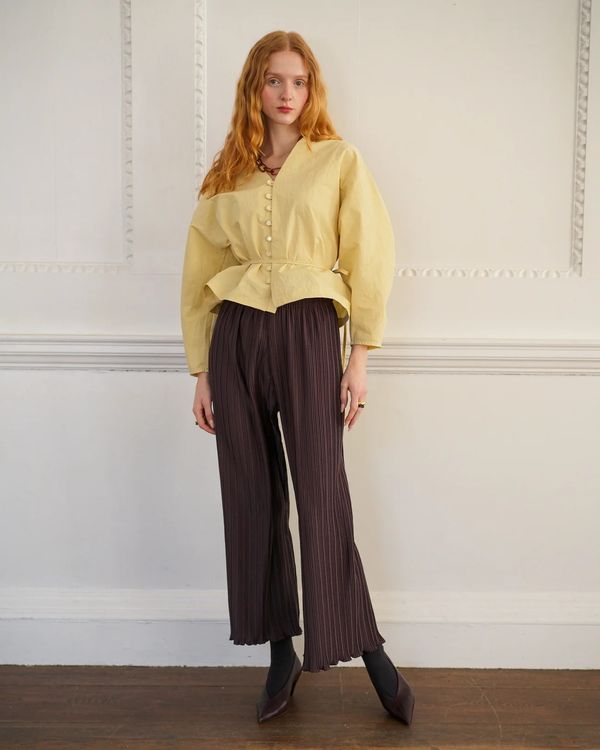 Proche Studio
 Sally Skoufis
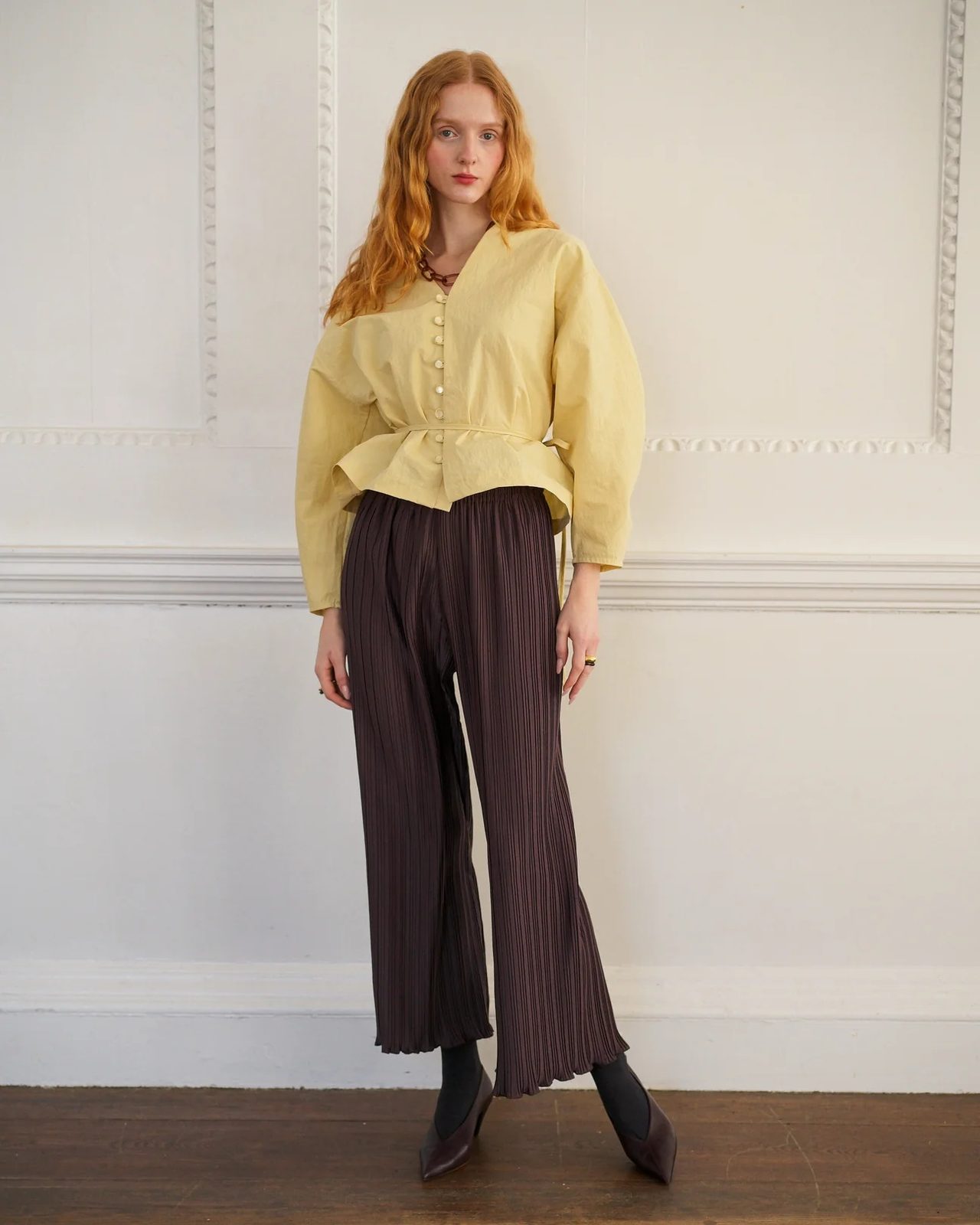
Short answer. Proche Studio grew from $14,000 to $180,000 in monthly revenue with Fundal Media, a 1,186% increase. The growth came from the same sequence we run on every fashion account: fixing the product page and checkout first, rebuilding the Meta account into a consolidated structure with a weekly creative cadence built around the brand's editorial imagery, and building the Klaviyo flows that carry the second and third purchase. The product and the positioning did not change.
A brand that already looked the part
Some accounts come to us with a product problem dressed up as an advertising problem. Proche Studio was the opposite. The product was strong, the imagery was already editorial, and the brand had a point of view that a customer could recognise in a single frame. What it did not have was an acquisition engine. At $14,000 a month the ads were doing what ads do at that size: reaching the people who already knew the brand, and not many more.
That is the most common situation a good small fashion brand is in, and it is the best possible starting point, because the hard part, the brand, is done. The work is to build the machine around it without breaking it.
The store first
As on every account, the first weeks were the store rather than the ads. The product page was rebuilt around the questions a customer of a label like this actually asks: what the fabric is, how the piece fits and on whom, how it is made, and what it looks like in movement. Mobile page weight came down, the checkout lost the steps it did not need, and the pages the ads land on were built to match the ads. None of it is glamorous, and it is what lets the account scale afterwards. The reasoning is in why the product page decides your ROAS.
Meta, built around the imagery
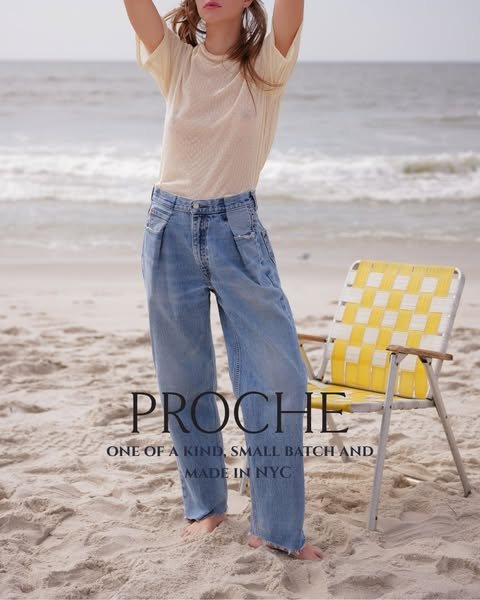
Proche Studio's own campaign imagery was the creative from the start. We rebuilt the Meta account into the structure we use on every fashion brand, consolidated prospecting on broad audiences, a separate testing layer and retargeting cut back to what earns its place, and then fed it a weekly cadence of concepts drawn from the brand's world: the tailoring, the fabric, the styling, the woman it is for. The hooks that won were about the making, one of a kind, small batch, made in NYC, and about fit and material rather than price, which is what you would expect from this customer, and the account found her far beyond the audience it had been reaching. The structure is in how we structure a Meta account for fashion.
Klaviyo, so the growth got cheaper
A label built on considered pieces is a label whose customer comes back for the next one, if she is asked properly. The Klaviyo setup was built from the six core flows: a welcome series that explained the brand rather than offering a code, browse and cart flows in the brand's voice, a post purchase flow that introduced the pieces that go with what she had bought, winback on the real purchase cycle, and a drop flow for new arrivals. As email and SMS took a growing share of revenue, the paid account could afford to reach further, which is the mechanism behind most of the growth from $50,000 upward. The setup is in Klaviyo for fashion brands.
What did not change
The product, the price and the positioning. There was no sitewide sale used to hit a number and no shift to discount led creative. A brand at this price point grows on desire, and once the account was built the desire was already there. The rules are in discount discipline for premium fashion brands.
The numbers
| Metric | At handover | Now |
|---|---|---|
| Monthly revenue | $14,000 | $180,000 |
| Growth | +1,186% |
The account reports in US dollars, and the figures are the client's own Shopify and Meta reporting. Almost thirteen times the monthly revenue is the headline, but the useful thing for a brand of this kind is how the growth was made up. The store converted before spend went up, so every dollar the ads brought in was worth more from the first month. The rebuilt Meta account found the customer far beyond the people who already knew the label, which is where all of the growth from a small base has to come from. And email and SMS took a growing share of revenue as the account scaled, so the paid side could afford to reach further. Those are the three levers on every account we run, and Proche Studio pulled all three without touching the product, the price or the positioning.
The ad that won
One of the winning creatives from the account, as it ran on Meta. Brand first, the product named in the frame, no discount in sight. The same concepts, converted to video, performed just as well, which is how most of them ran once the account was scaling.
What this case is useful for
If you are a small label with a strong product and strong imagery, and your ads only reach the people who already know you, this is your case. The lesson is that the brand is the hard part, and that a brand that already has it needs an engine, not a rebrand.
Questions on this
What kind of brand is Proche Studio?
A contemporary womenswear label built on relaxed tailoring, considered fabrics and editorial styling. The account reports in US dollars.
How did Proche Studio grow from $14,000 to $180,000 a month?
Store first, then a rebuilt Meta account fed by a weekly creative cadence built on the brand's own imagery, then a full Klaviyo setup so each customer bought more than once. The product and positioning did not change.
Did the growth come from discounting?
No. There was no sitewide sale and no discount led creative. The brand grew at its price point on desire, structure and retention.