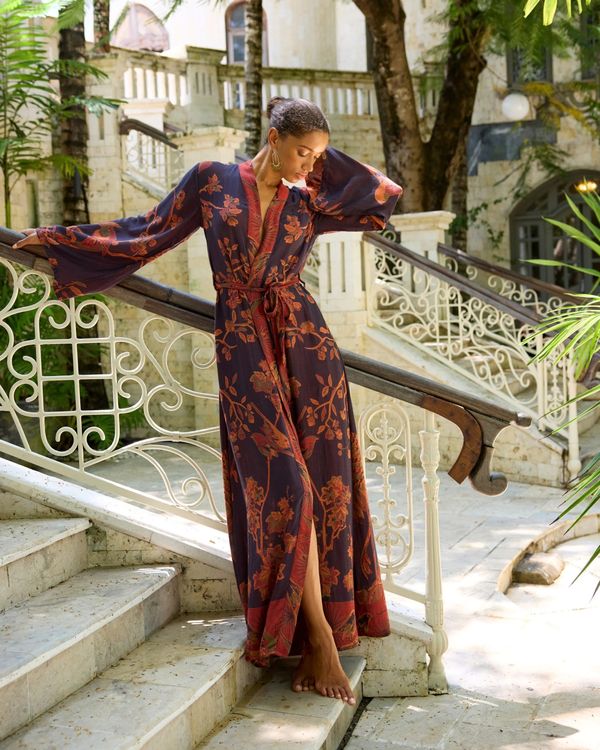
 Brahmaki
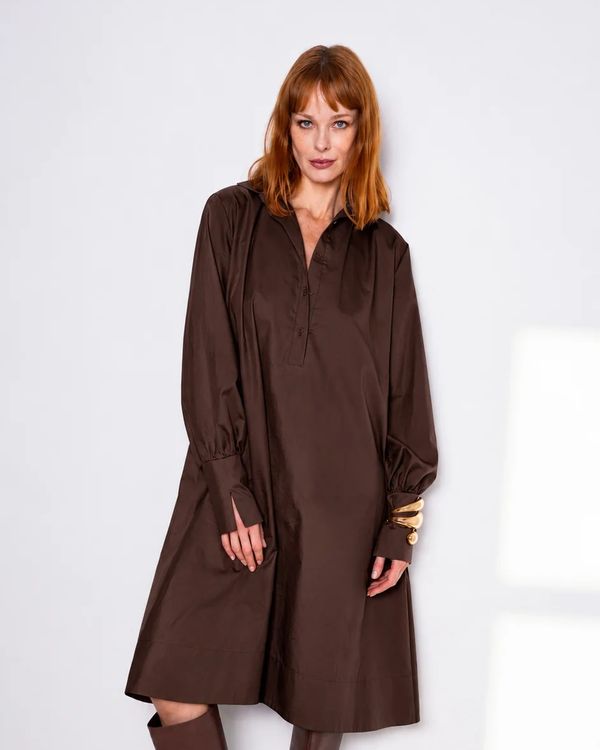 Monica Nera
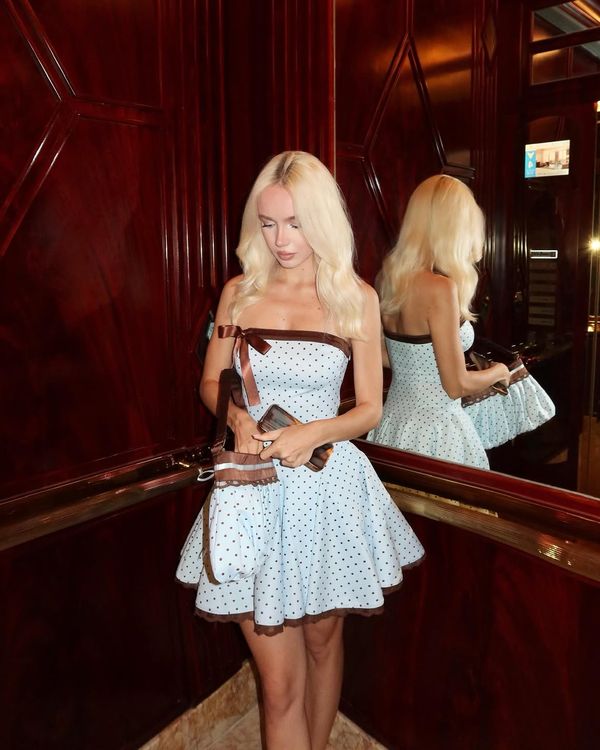 Angel Ruche
 Marame
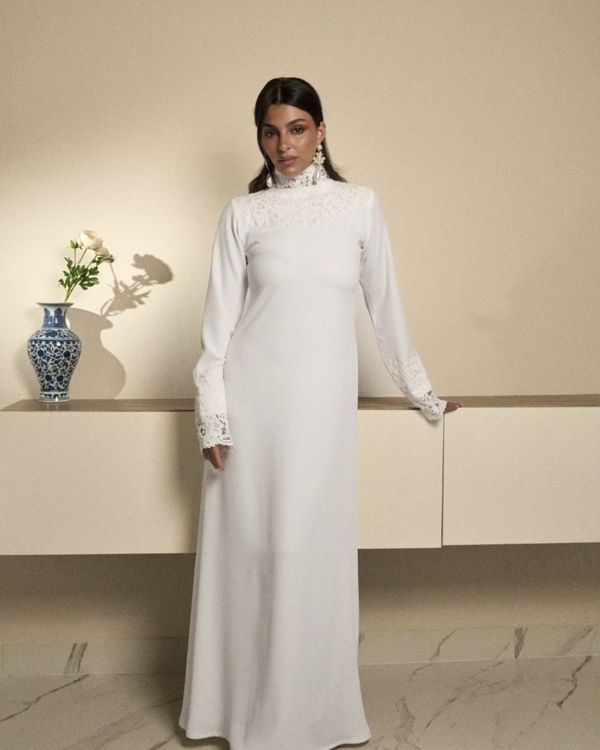 Hissa Line
 UK sustainable swimwear label
 Necessie
 Proche Studio
 Sally Skoufis
Short answer. Monica Nera grew from €250,000 to €850,000 in monthly revenue over eighteen months with Fundal Media, a 240% increase. Meta ROAS rose from 2.2x to 9.8x and the store's conversion rate from 1.3% to 6.3%. The account was scaled by fixing a low conversion rate first, rebuilding the Meta structure for a large catalogue, and putting strict discount discipline in place so growth did not cost the brand its price position.
A large account with a small store problem
Most brands come to us because paid is not working. Monica Nera came to us because paid was working, at 2.2x, and the founders had a feeling it should be working much harder. They were right. The store was converting at 1.3%. At €250,000 a month that is a very large amount of paid traffic arriving at a product page and leaving.
A 1.3% conversion rate on a premium fashion brand with a good product almost always comes from friction rather than desire. In Monica Nera's case it was a combination of slow mobile pages, a product page that buried fit and material information, a checkout with more steps than it needed, and a collection structure that made it hard to get from the ad to the item the ad was about. None of it was visible from inside Meta Ads Manager, which is why agencies that only look at Ads Manager miss it.
The first ninety days: conversion before spend
We did not increase spend for the first ninety days. That is sometimes a hard conversation with a founder who has hired an agency to grow, but it is the right order. We rebuilt the product page template, cut page weight on mobile, rewrote the size and material blocks, restructured collections so ad landing pages matched the ad, and simplified checkout. We also built proper landing pages for the campaigns that needed them rather than sending paid traffic to a collection page and hoping.
By the end of the ninety days the conversion rate had roughly doubled, which meant the existing ad spend was producing roughly twice the revenue it had been. At that point the account had earned the right to scale.
Rebuilding Meta for a large catalogue
Monica Nera has a large catalogue, and the old account tried to advertise all of it. We rebuilt around hero products and hero categories, with catalogue campaigns doing the long tail work and dedicated creative doing the brand work. Broad audiences, consolidated campaigns, a clean testing structure and a weekly creative cadence. We wrote the general version of this in how we structure a Meta account for fashion brands.
The creative shift was the same one we make on most premium accounts. Away from product on white with a price, toward campaign imagery, editorial style video and copy written for the woman buying. Premium fashion is bought on aesthetics in seconds, and the ad has to look like something she would want to be part of before it looks like something she could buy.
Discount discipline
This is the part of the case that matters most for a brand at Monica Nera's price point. The easy way to triple a fashion brand is to run a permanent sale. It works for about a year and then the brand is worth less than when you started. We put strict rules in place: no sitewide discounting in prospecting, offers built around exclusivity and access rather than percentage off, a fixed calendar of sale moments tied to end of season rather than to a slow week, and a clear line between what the email list gets and what a cold audience gets.
The result is a return that rose as the account scaled rather than falling. 9.8x on the eighteen month mark, on three times the revenue, is not what a discount led account looks like. We wrote the full approach up in discount discipline for premium fashion brands.
Klaviyo at scale
At €850,000 a month the retention side is a business of its own. We rebuilt the Klaviyo flows around the product's real purchase cycle and the brand's drop calendar, segmented the list properly by market and by category interest, and moved campaigns from a generic weekly send to a calendar that follows the collections. Email and SMS became a large enough share of revenue that the blended acquisition cost kept falling even in the months where Meta spend went up sharply.
The numbers at eighteen months
| Metric | At handover | After 18 months |
|---|---|---|
| Monthly revenue | €250,000 | €850,000 |
| Meta ROAS | 2.2x | 9.8x |
| Conversion rate | 1.3% | 6.3% |
| Revenue growth | +240% |
Revenue more than tripled over the eighteen months, and the return went up rather than down while it did. That combination is the point of the case. On most accounts scaling costs efficiency, because the cheapest customers get found first and every step up in spend reaches people who are harder to convert. Here the store went from 1.3% to 6.3% over the same period, so each visit the ads bought was worth far more at the end than at the start, and that is what let the return climb to 9.8x while spend rose rather than fall as it usually does.
The ad that won
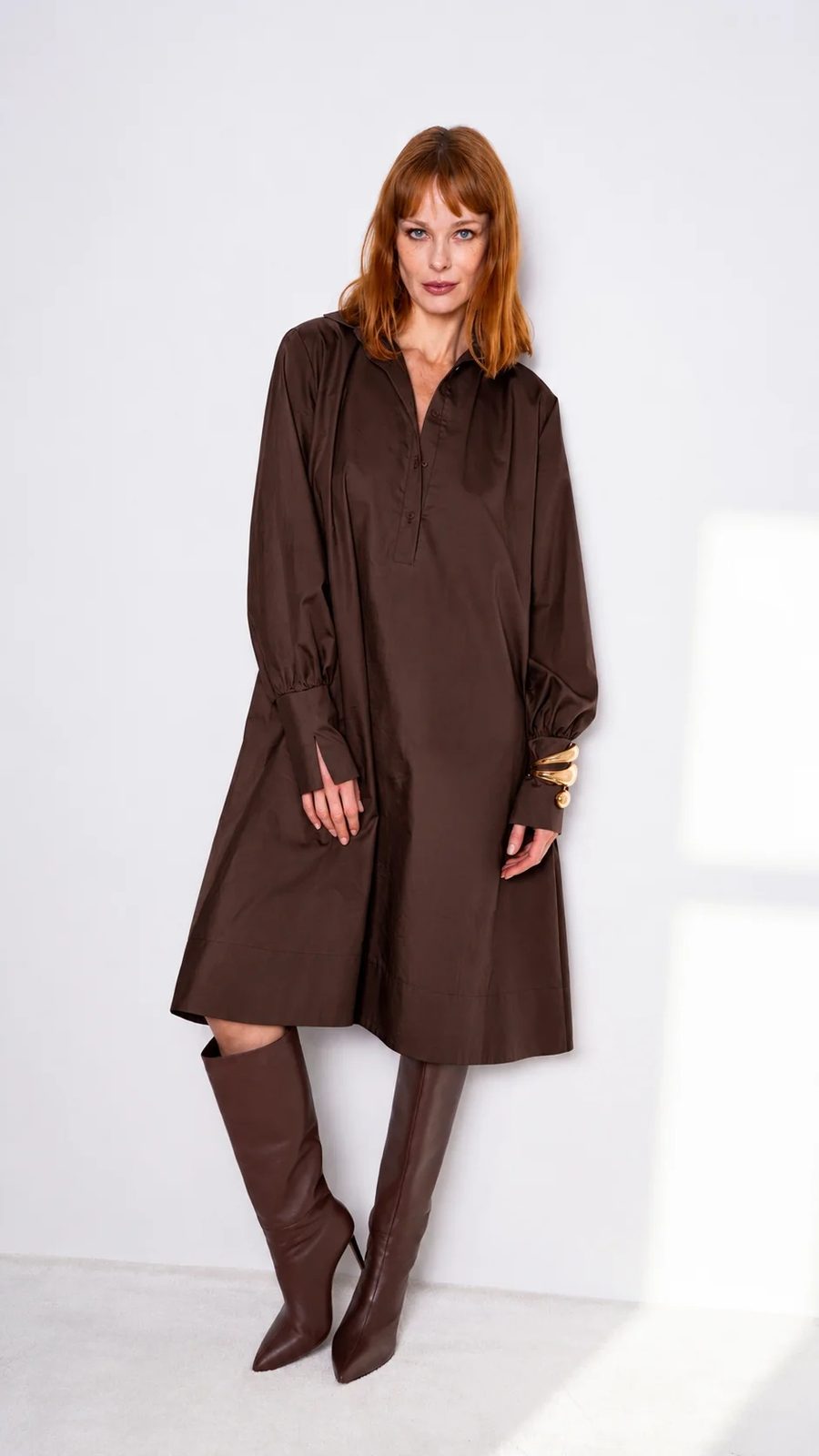
One of the winning creatives from the account, as it ran on Meta. Brand first, the product named in the frame, no discount in sight. The same concepts, converted to video, performed just as well, which is how most of them ran once the account was scaling.

What this case is useful for
If you are already a large account and the number that worries you is the conversion rate, this is your case. The lesson is that at scale the store is the lever, not the ads, and that the cheapest growth available to a large fashion brand is almost always sitting in the product page and the checkout.
Questions on this
Why did the ROAS go up as Monica Nera scaled?
Because the conversion rate went from 1.3% to 6.3%. A store that converts almost five times better turns the same ad traffic into almost five times the revenue. The Meta structure and creative did the rest, and the discount discipline kept the average order value from falling.
Did Monica Nera have to discount to grow?
No. Sitewide discounting was removed from prospecting entirely. Offers were built around access and exclusivity, with a fixed calendar of sale moments at end of season. Growing a premium brand on discounts is the fastest way to lose the premium.
How long before spend was increased?
Ninety days. The first quarter was spent almost entirely on the store and the account structure. Spend was only scaled once the conversion rate had roughly doubled.