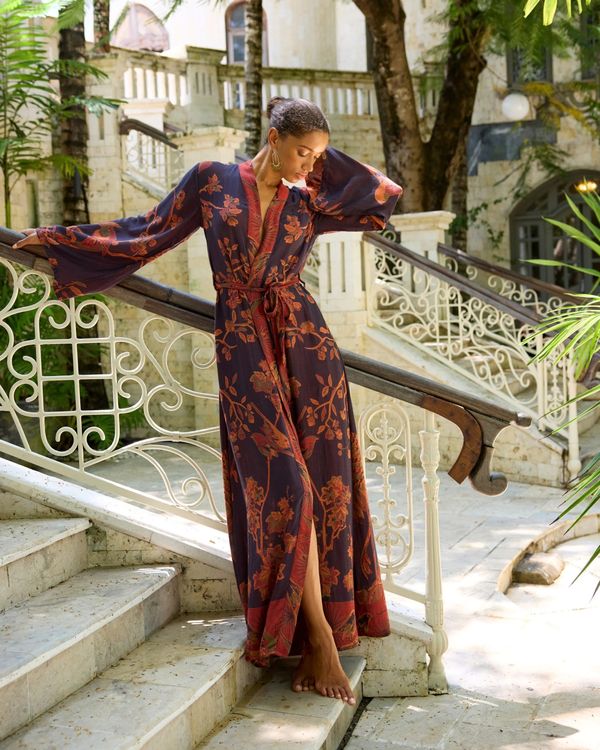
 Brahmaki
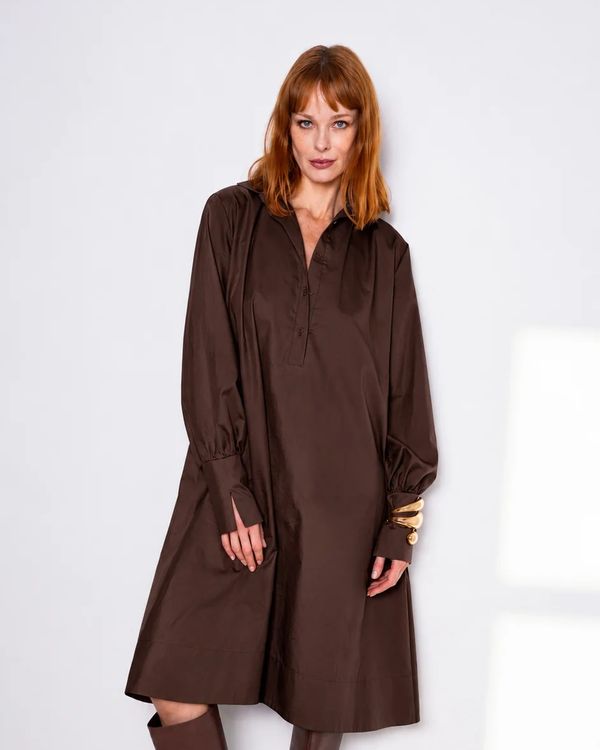 Monica Nera
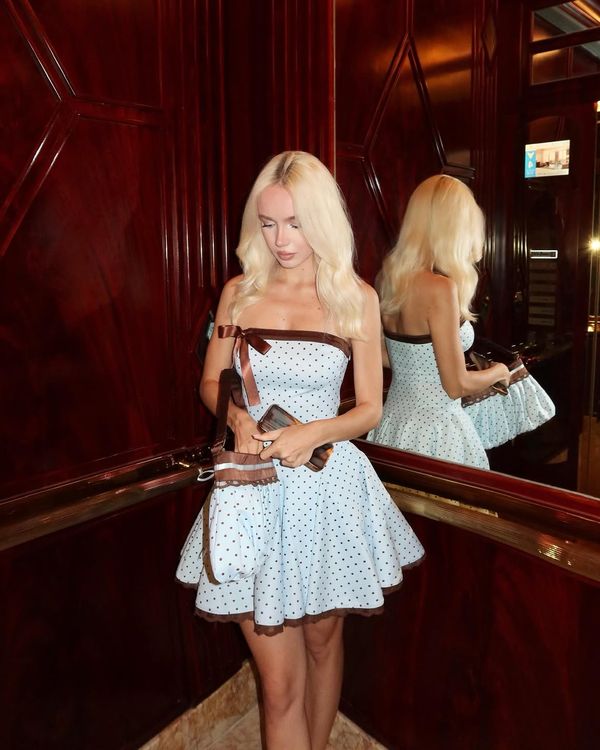 Angel Ruche
 Marame
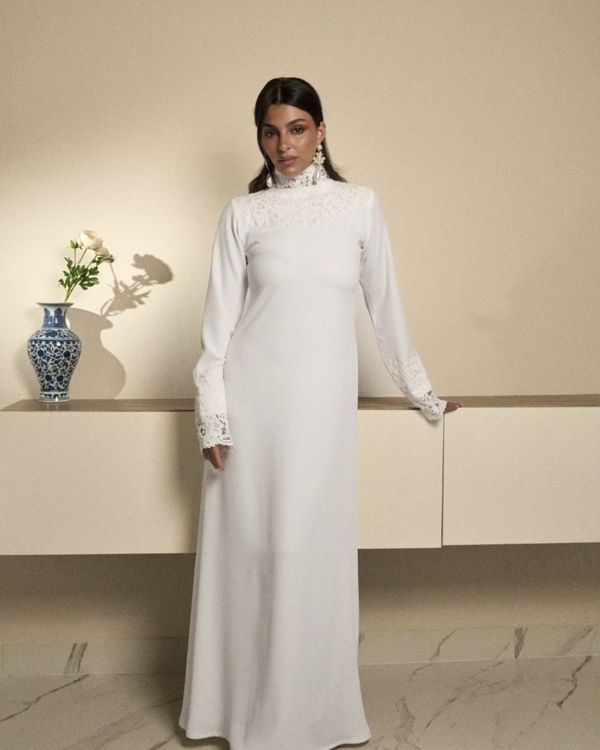 Hissa Line
 UK sustainable swimwear label
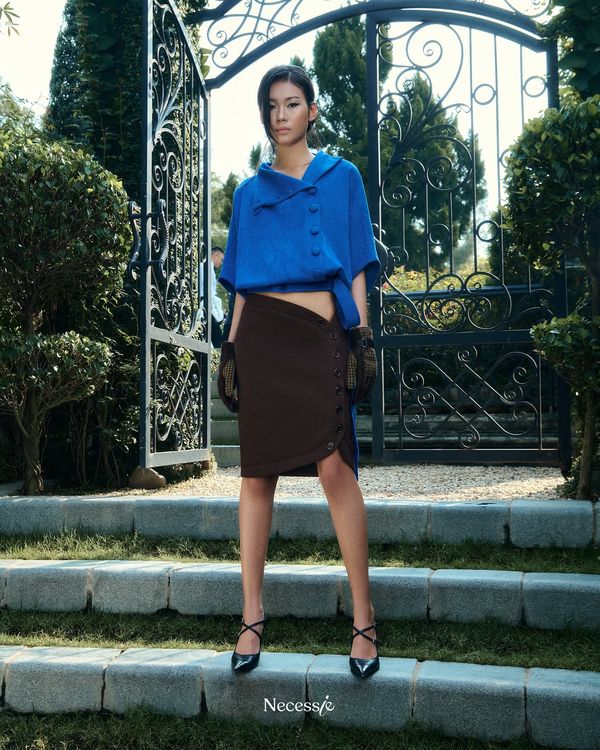 Necessie
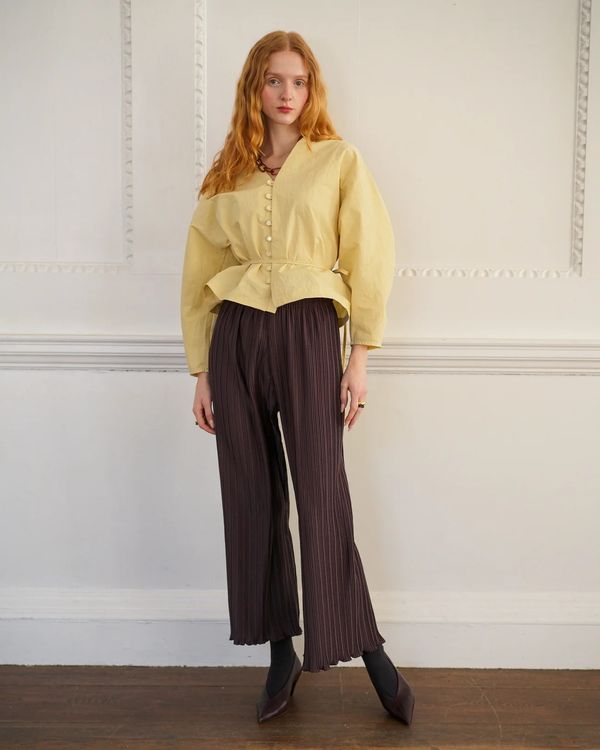 Proche Studio
 Sally Skoufis

Short answer. Marame is a UK menswear and womenswear brand made in Portugal. The founders had been running their own Meta ads on the first collection when Fundal Media took the account over, rebuilt the paid acquisition around what had already been learned, and built the Klaviyo and Shopify conversion setup alongside it. The account now runs at £200,000 a month with 38% of customers returning, and the brand is preparing to launch into new international markets.
Taking over on the first collection
Marame came to us in May 2026, early in the brand's life. The brand had its first collection out, a clear idea of what it stood for, a manufacturing base in Portugal it was proud of, and an ad account the founders had been running themselves to get that first collection in front of people. That is a good place to take an account over. There was enough history to read, which pieces had sold, which imagery had stopped the scroll, which audiences had actually bought, and not so much that anything had set in that needed undoing. Most brands at this stage either run the ads themselves for another year or hand them to a generalist. Marame handed them over while the account was still small enough to be rebuilt properly.
Marame's idea is a purposeful wardrobe. Fewer, better pieces that work together, for men and for women, made properly. It is a proposition that rewards a customer who comes back, and that shaped everything we built: the acquisition creative sold the idea rather than a single product, and the retention setup was built from the first day to bring people back for the next piece.
Rebuilding an account the founders had been running themselves
A founder run account usually has the same shape: a handful of campaigns added one at a time, audiences split narrower than they need to be, and the creative that the founders like rather than the creative that sells. It also carries something an agency cannot manufacture, which is a few months of real signal about who is buying. We audited what had been run, kept the concepts and the pieces that had already proved themselves, and rebuilt the rest into the structure we use on every fashion account: a small number of broad prospecting campaigns, creative built around the wardrobe idea and the Portuguese manufacturing story, and a weekly testing cadence that let us learn quickly which hooks the UK customer responded to. Spend was held steady for the first weeks while the new structure gathered its own signal, then scaled into what was working.
The store was rebuilt for conversion at the same time rather than later: a product page that led with fit, fabric and where it was made, a clear path between menswear and womenswear, and a checkout with nothing in it that did not need to be there. Doing this while the account is still small is far cheaper than doing it once the spend is up, because every improvement compounds from a lower base.
The first months, in order
The account took off within weeks of the takeover. June was the first month that looked like a different business, July closed at £140,000, August at £170,000, and the account is now at £200,000 a month. The growth came in that order because the work did: the store and the structure first, then the creative cadence, then spend scaled into what was working, with the Klaviyo setup building the returning customer base underneath it the whole time.
| Month | Monthly revenue |
|---|---|
| May 2026 | Takeover, first collection |
| June 2026 | The account takes off |
| July 2026 | £140,000 |
| August 2026 | £170,000 |
| Now | £200,000 |
Retention as the business model
The 38% returning customer figure is the number in this case we care about most. It is high for fashion, and it did not happen by accident. The Klaviyo setup was built around the product's real rhythm: a welcome flow that explained the wardrobe idea rather than pushing a discount, post purchase flows that introduced the pieces that went with what the customer had just bought, browse and cart flows in the brand's voice, and campaigns that treated each new drop as a reason to complete the wardrobe. We wrote the general version in returning customers in fashion.
For a brand at this stage a returning rate like that changes the economics of everything else. Every new customer the ads bring in is worth substantially more than their first order, which means the account can pay more to acquire them and still be efficient, which is what let the brand scale to £200,000 a month without the return falling.
Menswear and womenswear in one account
Running both in one account is a structural question we get asked about often. We keep them together at the campaign level for prospecting so the budget goes where the return is, and separate at the creative and landing level so a man sees menswear creative and lands on menswear. The Klaviyo side is segmented from the first purchase. It works, and it is much more efficient than two accounts.
What comes next
Marame is preparing to launch into new international markets. The approach will be the one we used on Brahmaki: one market at a time, each with its own localised offer, creative and landing experience, and each given time to prove itself before the next. The UK account has earned the right to fund it.
The ad that won
One of the winning creatives from the account, as it ran on Meta. Brand first, the product named in the frame, no discount in sight. The same concepts, converted to video, performed just as well, which is how most of them ran once the account was scaling.

What this case is useful for
If you are a young brand running your own ads on an early collection, and you want the acquisition and retention setup rebuilt properly before it scales rather than fixed later, this is your case. The lesson is that retention is not something you add at scale. It is the thing that makes scale affordable.
Questions on this
When did Fundal Media start working with Marame?
In May 2026, on the brand's first collection. The account took off in June, reached £140,000 in July and £170,000 in August, and is now at £200,000 a month.
Did Marame have any ad history when Fundal Media started?
Yes. The founders had been running their own Meta ads on the first collection. We took the account over, audited what had been run, kept what was working and rebuilt the structure, the Klaviyo flows and the Shopify conversion setup around it.
Why is a 38% returning customer rate significant?
Because it means each new customer is worth far more than their first order, which lets the account spend more to acquire them and still be efficient. It is the reason the brand could scale to £200,000 a month without the return falling.
Where is Marame expanding to?
The international expansion is being planned now. Markets are launched one at a time with a localised offer, creative and landing experience, using the same sequence we used on Brahmaki.